
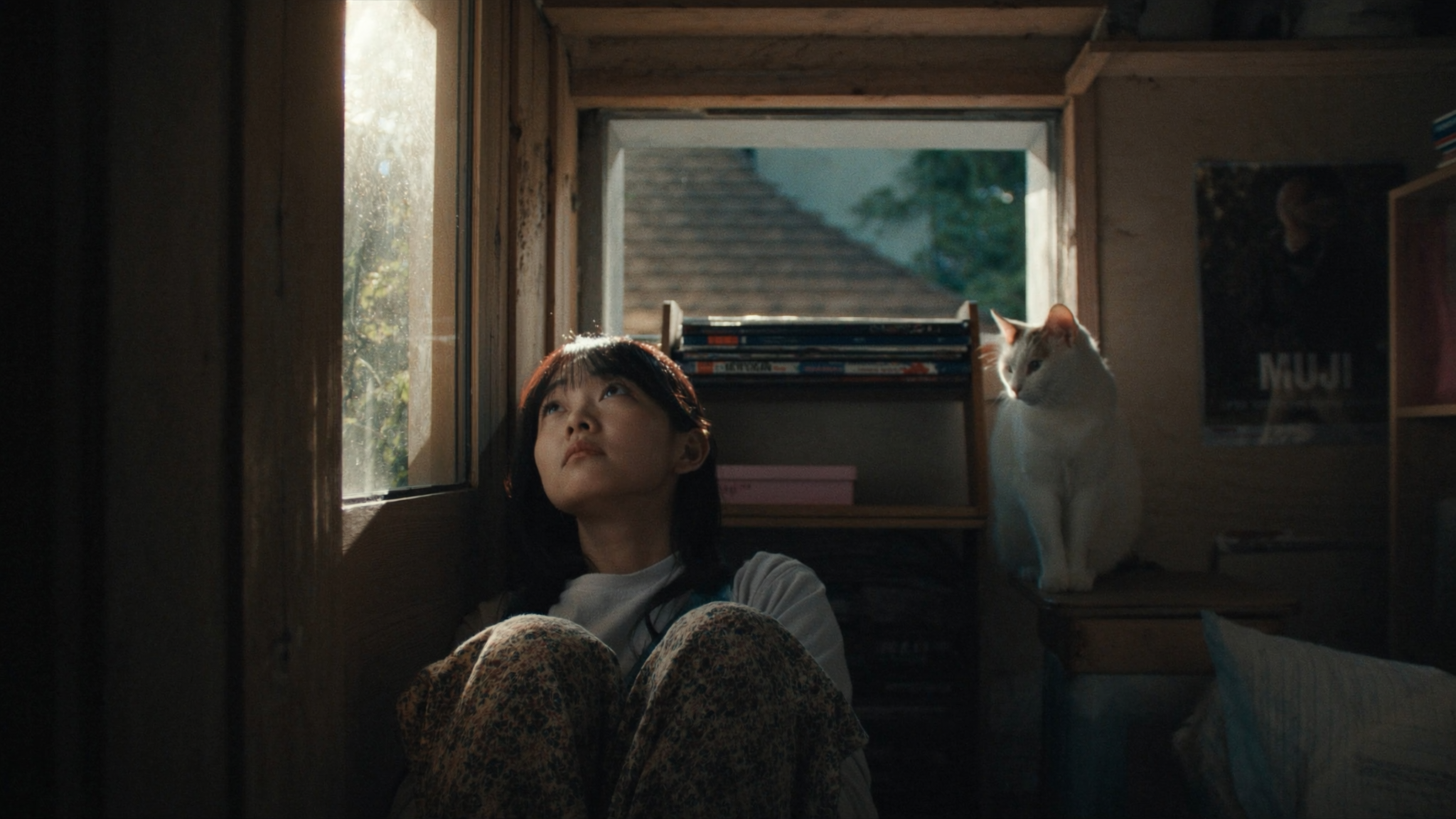
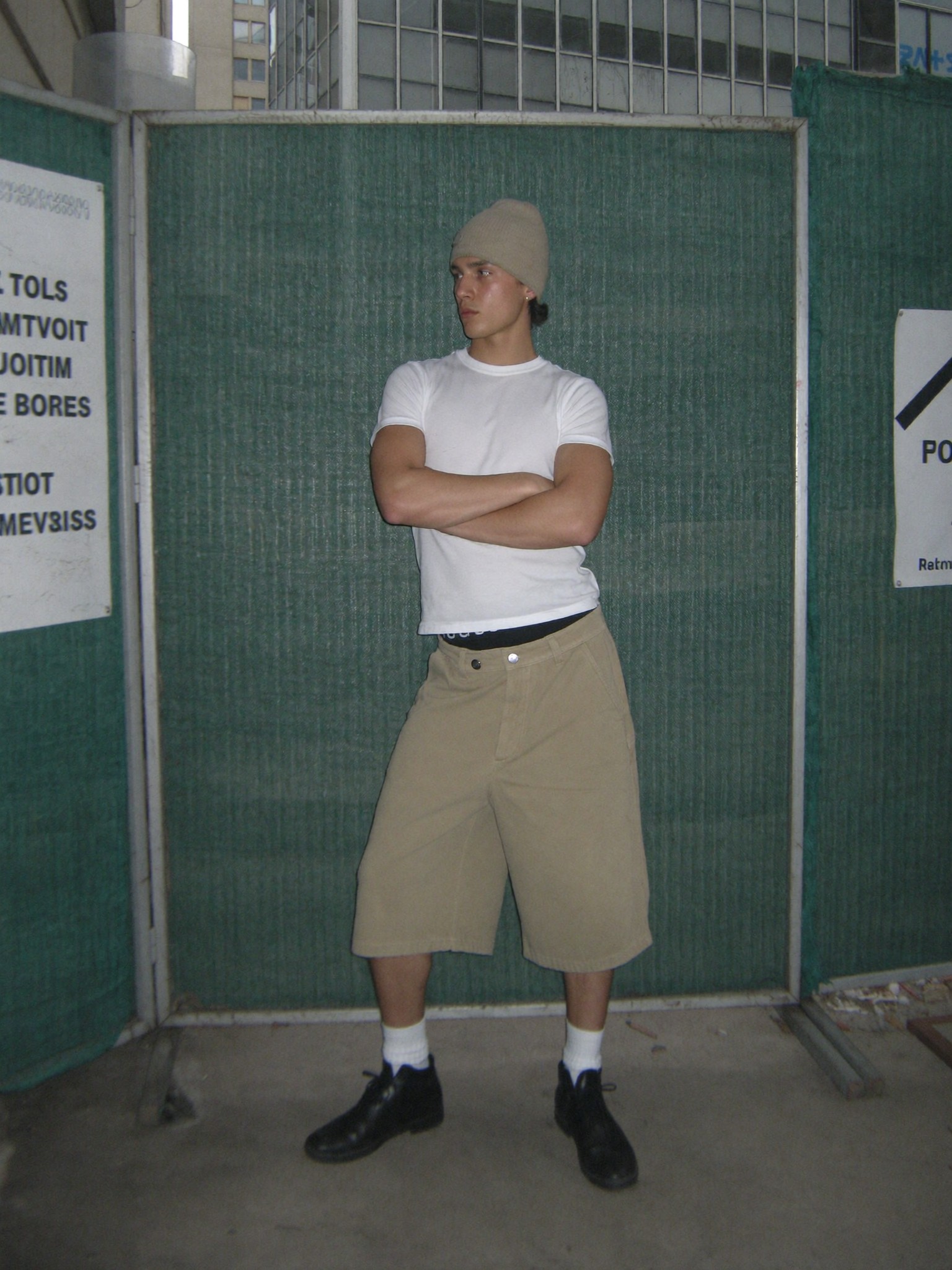
One of the most important unsolved problems in generative video has been consistency. A model can produce a single stunning clip, but keeping a subject, character, or visual style identical across multiple shots has been genuinely hard. As soon as the camera changes or the scene shifts, the character drifts, the lighting changes, and the project stops feeling like one coherent film.
Multi-image fusion, often shortened to MIF, is a technical approach built to address exactly this problem. Instead of describing a character or style with words alone and hoping the model remembers it between generations, MIF takes one or more reference images and carries those visual constraints into the generation. The result is video that stays faithful to a defined look across scenes. This article explains how multi-image fusion works under the hood, the challenges it solves, and how to use it effectively in your own production workflow.
How multi-image fusion works
To understand what MIF does, it helps to know how a text-to-video model builds an image from a prompt. The model reads your description and spreads visual information across a high-dimensional space of learned features. Everything the model knows about "a person," "a leather jacket," or "a specific cinematic look" lives in that feature space.
The challenge is that words are imprecise. Different viewers imagine the same description differently, and so do models. "A woman in a red coat" could generate a dozen different coats, faces, and settings.
Multi-image fusion closes that gap by injecting visual conditions directly into the generation. It does this in three conceptual stages: extracting meaning from the reference images, describing them as vectors the model understands, and injecting those vectors alongside your textual prompt so the output is guided by both the words and the pictures.
Extracting semantic features and vector representation
In the first stage, the reference images are analyzed to extract semantic features: the identity of a face, the color and cut of clothing, the texture of a material, the composition of a scene. These features are converted into vector representations, compact mathematical descriptions that capture the essential visual information in a form the generative model can use.
Because the key information lives in the vector rather than in the raw pixels, the reference can be reused in many different contexts. You can place the same character in a new environment, a new time of day, or a new angle, and the identity carried by the vector persists.
Adaptive condition injection and style control
In the second stage, those vectors are injected into the generation process at the right points. This is where the behavior becomes adaptive: the model weighs how strongly to follow the image reference relative to the text prompt. If you describe a busy street but provide a quiet room as a reference, it has to decide which instruction dominates for different parts of the scene.
Good MIF implementations learn to balance these signals. The style and subject guidance can be tuned, so you control how tightly the output copies the reference versus how freely it responds to new description. This is what makes MIF more flexible than simply pasting an image into the prompt as a starting frame.
Integration with the directorial layer
MIF becomes far more useful when it operates within a directorial framework. A story-based tool can help you define the scene, the camera move, and the narrative intent, then pass the appropriate visual references to the generation engine. The fusion technology handles the consistency, while the directorial logic handles the meaning and pacing. Together they turn a list of wanted shots into a coherent sequence.
The technical challenges MIF solves
Multi-image fusion exists because several hard problems were holding back practical AI video production. Understanding those problems makes it clear why MIF matters.
Breaking the single-shot limit
Early text-to-video tools produced one isolated clip with no memory of previous shots. You could not build a scene, let alone a story. MIF replaces that one-shot mindset by letting visual identity travel across generations, which is a prerequisite for anything resembling structured storytelling.
Managing computational cost
Injecting image conditions and interpreting multiple references adds computational load, especially on GPU-constrained systems. Good MIF designs keep this overhead controlled so that consistency does not mean prohibitively slow or expensive generation. Efficient handling of the fusion and the distribution of those GPU tasks across a queue are part of the design.
Staying compatible across many models
Different generation models have different internal structures and behaviors. A reference image that works in one engine may need to be translated to work in another. Solid MIF implementations provide standard ways to pass visual references across a variety of models, so your consistent character survives even when you switch engines for a different style or capability.
Scaling consistency across styles and themes
The hardest challenge is generalization. The techniques that keep a photorealistic face stable should also work for an animated character, a stylized brand look, or a detailed environment. Designers of MIF systems aim for techniques that hold up across diverse subjects, so you are not forced to invent a new consistency trick for every kind of project.
Using multi-image fusion in your workflow
Knowing that the technology exists is less useful than knowing how to apply it. Here is a practical approach that gets the most from MIF.
Start with a clear reference set
Choose your reference images carefully. They define the identity and style of the whole project, so the strongest reference set is usually a small number of high-quality images that clearly show the subject and the desired look. Clear, consistent-looking references yield far better results than a jumble of ideas.
Write prompts that complement, not fight, the image
Think of the prompt and the reference as partners. The image carries identity and style; the prompt carries action, environment, and narrative. Describe what the scene is doing while letting the reference hold the "who" and the "look." Avoid describing details that contradict the reference image.
Test the balance early
Before committing to a long project, run a few short tests to find the right balance between image influence and text influence. If a test clip drifts from your subject, increase the reference influence or simplify an overly busy prompt. Getting this right at the start saves hours later.
Keep a single consistent reference for characters
When a character appears in multiple scenes, use the same core reference for them throughout. Consistency in the source material is the single biggest factor in consistency in the output. Changing the reference mid-project invites drift you will have to fight later.
Combine with an editing pass
MIF gets your shots consistent, but the final cohesion still comes from the edit. Use the editing stage to adjust pacing, add transitions, and ensure the emotional flow works. The technology handles the visual thread; you handle the story thread.
Common pitfalls and how to avoid them
Even with good tools, teams hit the same recurring problems. Recognizing them early keeps you on track.
- Conflicting references: providing images that contradict each other in look or identity. Fix it by curating a coherent reference set before you start.
- Overwriting the reference with the prompt: writing prompts that describe details in conflict with the image, causing the model to choose one and drop the other. Fix it by composing prompt and image to agree.
- Letting style drift between projects: failing to carry a consistent look across a multi-part series. Fix it by reusing the same style references and prompt vocabulary.
- Ignoring the balance control: leaving sensitivity at default when a scene needs more or less following. Fix it by testing and tuning per scene.
- Reviewing only the first frame: judging a generation by its opening still rather than the whole clip. Fix it by watching the full motion before approving.
Consistency across a full project
The real payoff of multi-image fusion shows up in longer, multi-scene projects, so it helps to think about consistency at the project level, not just the shot level. Before you generate anything, define the visual rules the whole piece will follow. What is the color grading? What does the main character look like? What kinds of environments appear, and in what style? Writing these rules down, even in a short note, gives every prompt a shared foundation.
As you move through the scenes, check the pieces against those rules rather than judging each clip in isolation. A shot that looks great on its own might break the project if its lighting or subject drifts from the others. Reliable review of the full sequence, not just the single frames, is what keeps a long project coherent.
A shared reference set for the whole team
If several people are working on the same project, the reference set and the style rules should be shared and unambiguous. A small, well-structured reference folder, along with a short written style note, prevents an entire class of disagreements about what the character or the world should look like. When everyone starts from the same references, the pieces produced by different people fit together far more easily.
Reusing consistency for a series
Consistency pays off even more for a series of videos that share characters and settings. Because the references and rules carry over between episodes, each new installment starts closer to finished quality. Over time, this turns a collection of unrelated clips into a recognizable, branded body of work that audiences learn to trust and expect.
Where the technology is heading
Multi-image fusion is still evolving, and its trajectory points to richer kinds of consistency. Expect better handling of long sequences, smoother blending of multiple references into a single scene, and tighter coupling with audio and narrative systems. As generation engines improve, the reference will become even more powerful, letting creators specify not just a look but a full production system of characters, environments, and styles.
The practical takeaway for creators is to invest in building reusable visual assets now. Curate a library of strong character and style references, learn how your tool balances image and text, and standardize your workflow. When fusions improve, you will be ready to get more value with less rework.
Frequently asked questions
Do I need technical knowledge to use multi-image fusion?
No. The complexity lives inside the tool. Your job is to choose good references and write compatible prompts. Understanding the underlying logic helps you troubleshoot, not compute.
Can MIF keep an entire scene consistent, or only people?
It applies to many kinds of subjects, including characters, objects, environments, and styles. The same idea of carrying visual identity forward works across types of content.
What makes a good reference image?
Clarity, good lighting, and unambiguous identity. A clear, natural-looking image that shows the subject and style you want is the most reliable starting point.
Does fusion work with every generation model?
Compatibility varies, but well-designed platforms provide a common way to pass references across multiple models, so switching engines does not mean losing your consistency.
Is the result always better than plain text prompts?
For projects that need consistency across scenes, yes, MIF is usually dramatically better. For a single isolated clip where consistency is irrelevant, the difference is smaller.
Conclusion
Multi-image fusion addresses the problem that has kept generative video from feeling like real film: the ability to stay consistent across many shots. By extracting visual identity from reference images and injecting it into generation, MIF lets a character, a style, and a world travel coherently through an entire project.
Used the right way, with a clear reference set, compatible prompts, and a disciplined workflow, it turns a string of disconnected clips into a story a viewer can follow and trust. As the technology matures, its role will only grow. The creators who learn to think in references now will be ready to tell richer stories as the tools reach further.
