
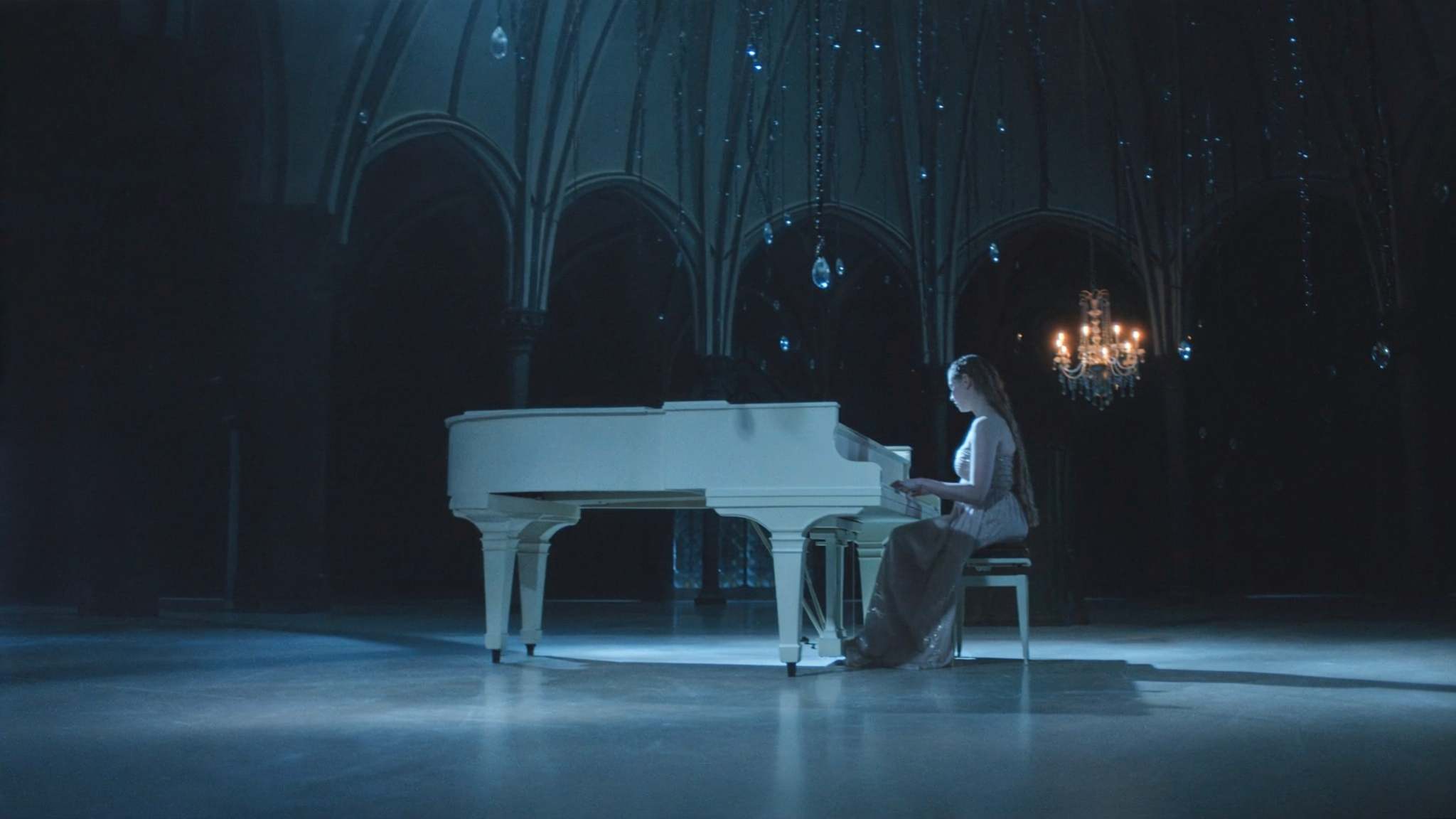
There is a moment in every memorable film when the music rises, the camera lingers, and the audience suddenly feels something deeper than the plot alone could produce. That moment is not an accident. It is the result of two crafts working in harmony: cinematography, which shapes how a story is seen, and music and sound design, which shape how a story is felt. For creators making videos today, mastering both is the fastest way to lift an ordinary clip into something cinematic.
This guide is for filmmakers, YouTubers, and video editors who want to move beyond the basics. We will look at how visual language and music work together, how to plan sound and imagery intentionally, and how tools powered by artificial intelligence are making professional-grade results more accessible. By the end, you will have a practical framework for adding emotional depth to your own videos.
How cinematography and music work together
At their core, both cinematography and music are languages of emotion. Cinematography speaks through light, composition, camera movement, and color. Music speaks through melody, harmony, tempo, and dynamics. When they align, they tell the audience how to feel about what they are seeing. When they conflict, they create tension and unease.
Consider a slow tracking shot toward a character looking out a window. Couple it with a soft, open piano line and the audience reads hope or reflection. Replace the piano with a low, pulsing bass and the same image suddenly feels ominous. The visuals stayed identical; only the emotional channel changed. This is the power of pairing image and sound deliberately.
The most effective creators treat music not as background but as a second storyteller. They choose sounds that reinforce the meaning of each scene and cut away when the music should yield to silence or dialogue. The discipline of knowing when not to use music is just as important as knowing when to use it.
Building your visual language with camera and composition
Cinematography is about intention. Every frame is a decision about what the audience should notice and feel. You can start strengthening your visual language without expensive gear.
Use shot size to change intimacy
A close-up pulls your viewer close to a subject's emotion; a wide shot conveys scale and isolation. Cutting between them affects how much the audience connects with the scene. Plan your shot sizes around the emotional beats of your story rather than just varying them for variety.
Direct the eye with framing and rule of thirds
Composition guides attention. Placing a character slightly off-center according to the rule of thirds often feels more dynamic than centering them, and leaving negative space can convey loneliness or anticipation. Study a few cinematic frames you admire and notice where the subject rests in the frame.
Use camera movement as punctuation
A slow push-in builds focus and tension; a gentle pan reveals environment; a handheld shake suggests urgency or documentary realism. Movement should serve a purpose. If a camera move does not add meaning, hold the shot still and let the action or composition carry the scene.
Consider color as an emotional tool
Color grading shapes the mood of your footage. Warm tones can feel nostalgic or inviting, cool tones distant or clinical, and high contrast dramatic. Deciding on a color palette early keeps your video visually coherent and emotionally on target.
The emotional power of film scores
Music is arguably the fastest way to change how an audience feels about moving images. Understanding a few principles will help you use it well.
Match tempo to the pace of the scene
The tempo of a track should support the rhythm of your editing and the scene's energy. Fast, driving music suits energetic sequences, while slower pieces give room for reflection. Listen for whether the track accelerates or relaxes the tension you are trying to build.
Use orchestration and dynamics for texture
A solo piano feels intimate, strings can sweep with emotion, and low percussion adds weight and threat. Layering instruments and varying the overall volume within a section can carry your audience through rising and falling emotional beats.
Leave space for silence
One of the most powerful moves in film is cutting the score to reveal ambient sound or silence. It forces the audience to pay attention and can amplify impact right before a major reveal. Practice editing to the negative space as much as to the music.
Sound design: the hidden half of your soundtrack
A film score is only part of the audio picture. Sound design, the collection of ambient sounds, effects, and footsteps that flesh out a world, grounds the story in believability.
Layer ambience for depth
Every location has its own soundscape: a city has traffic and distant voices, a forest has wind and birdsong, an empty room has hum and reverb. Adding a subtle ambient layer keeps silent or quiet scenes from feeling dead.
Use effects to sell movement and action
A door closing, a fabric rustle, or a distant explosion tells the audience about the physical world. Well-placed sound effects reinforce the weight and reality of the action and help the viewer feel what the camera shows.
Balance levels carefully
Nothing breaks immersion faster than a soundtrack that drowns out dialogue or effects that are too loud. Set consistent levels for dialogue, music, and effects, and check your mix on different speakers or headphones before publishing.
How AI tools are changing cinematic production
Artificial intelligence is opening doors that once belonged to large studios. Even a solo creator can now approach a level of polish that was previously out of reach.
Generating and editing sound with AI
Some tools can turn a text description into music, generate ambient soundscapes, or separate vocals from background music. This makes it easy to build custom audio beds without licensing a specific track, and to adapt audio to fit a scene's mood precisely.
Automating parts of editing and grading
AI-assisted tools can suggest cuts, stabilize shaky footage, match shot colors, and even generate b-roll from a written concept. These features handle repetitive work so that you can focus on the creative decisions that actually shape emotion.
A tool as an assistant, not an author
It is worth remembering that AI amplifies your judgment; it does not replace it. The most effective workflow keeps you in charge of the story, using automated features to test ideas and speed up production while you make the final creative calls.
A workflow for more cinematic videos
You can apply everything above with a simple repeatable process.
One: Define the emotional goal
Before you shoot or edit, state in one sentence how you want the audience to feel at the end. Every subsequent decision about visuals and sound should serve that goal.
Two: Build a mood board and a temp score
Collect reference frames, colors, and tracks that evoke your target mood. Play a temporary score under your rough cut from the start; it helps you feel the scene's pacing and tells you where music should rise and fall.
Three: Shoot and edit to the plan
Keep your shot list and emotional goal in mind while shooting. During editing, cut on the energy of the music and respect the space you planned for silence and ambience.
Four: Mix, grade, and review
Balance audio levels, apply your color grade, and then watch the film start to finish several times. Note every moment where the emotion may miss or the mix feels off, then refine. Final reviews are where professionalism shows.
Common mistakes and how to avoid them
Even skilled creators fall into a few recurring traps. Naming them can help you steer clear.
The first is treating music as an afterthought. Adding a score at the very end of production leaves you fighting your editing rhythm instead of shaping it. Bring music in early and edit alongside it.
The second is over-scoring. Wall-to-wall music leaves no contrast and dulls emotional peaks. Give your audience moments of silence and restraint so the louder moments still land.
The third is ignoring sound design. A film with no ambience or effects can feel hollow even if the images are beautiful. Pay attention to every layer of audio.
The fourth is copying a look without understanding it. Simply applying a trendy grade or camera movement to your footage does not make it emotional unless it serves your story. Always ask why a choice fits the scene.
Conclusion
Cinematic storytelling is not about expensive gear or flashy effects. It is about making hundreds of small, intentional decisions that add up to a feeling. When you let music and cinematography speak the same emotional language, your videos stop being collections of shots and become stories that move people. Start by defining the feeling you want, work with music early, respect the power of sound design, and let AI tools speed up the routine parts of your craft. With practice, the gap between your footage and the look you admire shrinks, and your own cinematic voice becomes clearer with every project you finish.
Scoring tools and finding the right sound
Great music does not have to come from a symphony orchestra. A carefully chosen royalty-free track, a short score you compose in a simple program, or an AI-generated piece can serve your scene perfectly if it matches the emotion. For those on a small budget, low-cost music libraries and free resources offer surprisingly high quality, provided you check the license for the use you intend.
When you pick a track, audition it against multiple scenes and cut lengths, not just against one moment. A piece that feels perfect for one shot can overpower a quieter one later. Build a shortlist of three or four options per scene, then choose the one that best supports the emotional arc of the whole film rather than a single beat.
Building a personal sound library
Over time, you will discover pieces and motifs that work for the kind of stories you make. Save them, along with notes on where each worked, into a personal library. This reference becomes faster to search than any generic music catalog and reflects the consistent mood you want across your body of work.
Layering music and effects deliberately
Think of your soundtrack as layers that you raise or lower to match attention. A quiet ambient bed gives the scene space; a lone instrument adds focus; a full orchestral swell lands the peak. Designing these layers deliberately, rather than dropping one track on top and hoping, is what gives a video its professional, cinematic finish.
Scoring a short scene: a quick example
To see how these ideas fit together, imagine you want to score a short forgiveness scene between two estranged friends. Start with a warm, understated palette and a gentle camera push-in on the speaker. Lay down a quiet piano motif that leaves space for the dialogue. Add a very soft ambient layer to sell the location, and let the piano rise slightly during the emotional peak, then fall back to silence as the scene resolves. Even though this is a simple recipe, it demonstrates how a deliberate pairing of image, music, and sound design can guide the audience through an entire emotional arc without a single word of explanation.
Trusting the feel test
Technical knowledge supports your instincts, but the final judge is how a scene feels when you watch it. If a choice makes the emotion clearer and the meaning stronger, keep it. If it merely adds polish, consider removing it. Editing and scoring are as much about restraint as they are about expression, and the creators who learn to trust an honest feel test tend to produce work that connects on a genuine level.
When to lean on reference and taste over rules
Every guideline in this article is a starting point, not a law. The most effective video editors develop a strong internal sense of what works by consuming great work across many genres, from classic cinema to short social clips. Notice how the music changes a scene, how a cut lands, and why a certain combination feels truthful. That reference mental catalogue becomes the best tool you have for making choices under pressure. Structure, technique, and sound design give you the grammar; returning again and again to great examples teaches you the fluency that turns grammar into natural expression.
