


Animation used to be the most expensive skill in the content toolbox. Studios charged thousands for a few seconds of motion, and independent creators simply could not compete. That barrier has cracked. Free AI animation tools now let anyone turn a static image into a moving cartoon or an animated logo, in minutes, without learning complex software. The results are not always perfect — the technology is still young — but they are good enough for real projects: social content, explainers, brand intros, and portfolio pieces. This guide covers what these free tools actually do, how to choose between them, how to fix their common flaws, and how to build a workflow that produces usable animation instead of random motion.
What image-to-animation AI actually does
Free animation tools work by reading the visual information in a source image and extrapolating plausible motion. The model identifies the subject, its edges, its textures, and its implied structure, then predicts how those elements would move. This is a fundamentally different problem from text-to-video, because the input is a specific image: the output must respect what is already there while adding the dimension of time.
The practical consequence is that the source image determines everything. A clean, high-contrast image with a well-defined subject produces dramatically better animation than a busy, low-quality snapshot. Understanding this input-output relationship is the single most useful skill you can develop with these tools.
Why free tools matter for creators
The value of free AI animation tools goes beyond saving money. They lower the cost of experimentation. When a tool is free, you can test a dozen ideas in an afternoon, learn what works, and keep only the winners. For marketing teams, educators, and small creators, this experimentation is where the real value lives: most animation projects fail at the concept stage, and free tools let you fail cheaply and often.
Free tools also compress iteration cycles. A logo animation that once required a designer for a week can be prototyped in an hour. The final version may still need professional polish, but the direction, the motion style, and the feel are validated early. This changes the production pipeline from a linear, expensive process into an iterative loop.
The two big use cases: cartoons and logos
The free-tool ecosystem splits into two practical categories, and they need different things from the technology.
Cartoon generation from images
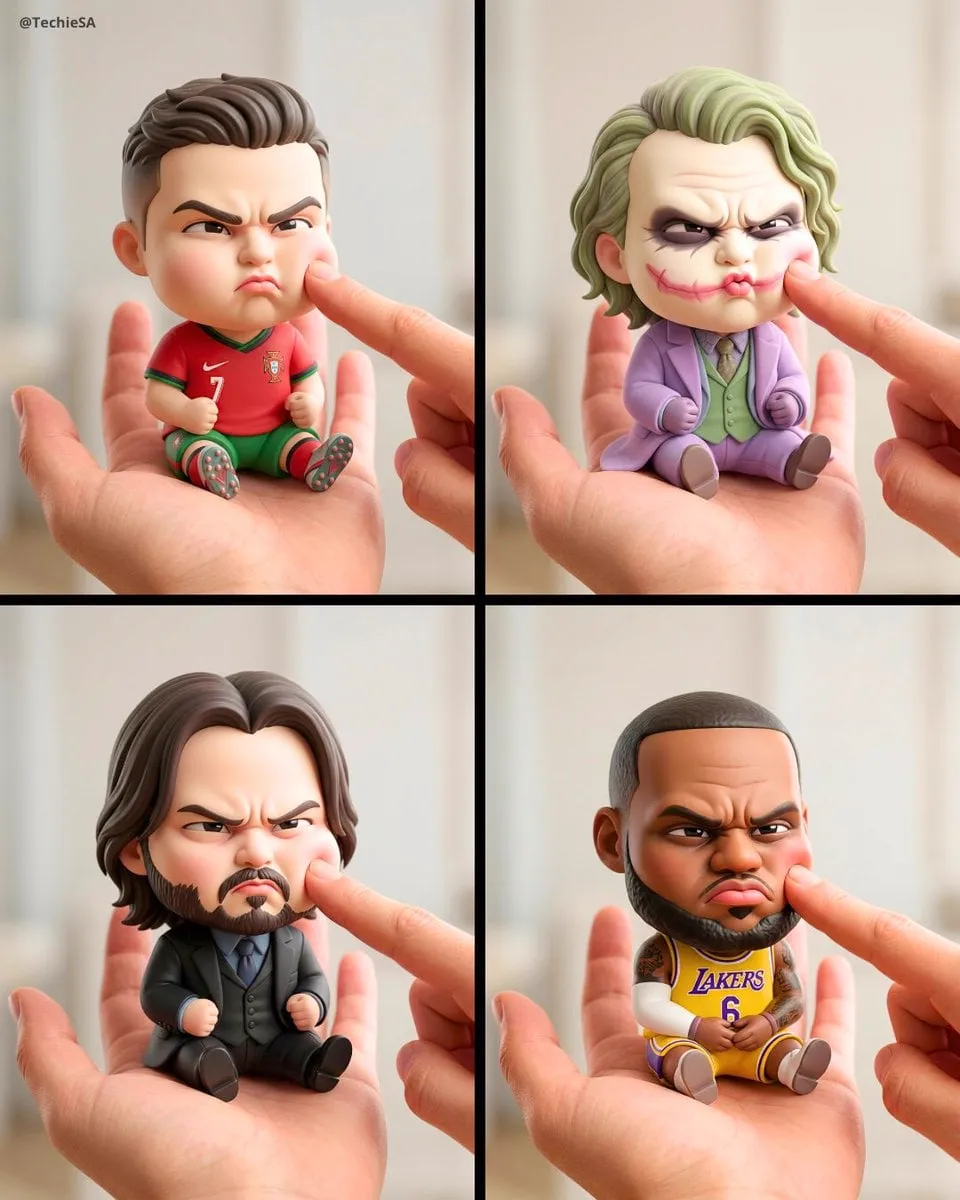
Turning a photo into a cartoon character is the most popular free use case. You upload a portrait, the tool applies a cartoon style, and the result can then be animated: blinking, talking, gesturing, dancing. The best results come from images with a single, well-lit subject, a clear face, and simple backgrounds. Tools in this category usually let you choose between artistic styles — 3D look, anime, comic, painterly — and then animate the stylized result.
Cartoon animation is strongest in social content and explainers. A cartoon version of yourself or your mascot adds personality and reduces the "corporate" feeling of plain footage. For educators, cartoon characters make lessons more approachable, especially for younger audiences.
Logo animation from images
Logo animation has different requirements. A logo must remain recognizable while it moves, which means the tool must preserve the exact shapes, colors, and proportions of the source. The animation adds life: a fade-in, a rotation, a bounce, a reveal, a morph into a secondary mark.
The challenge is fidelity. Logo work tolerates almost no distortion, so the tool must handle clean geometric input well. Simple, high-contrast logos animate far better than complex, gradient-heavy designs. If your logo has fine text or intricate details, expect more artifacts and plan for retries.
Choosing the right type of free tool
The free landscape includes general AI video generators with free tiers, specialized image-to-video apps, and animation-focused platforms with built-in styles. They differ in where the free tier ends and in what quality you can expect.
General platforms with free access, such as the ones that aggregate multiple video models, let you try image-to-video prompts on a limited budget. They are useful for testing which model style suits your image. Specialized mobile and web apps focus on quick cartoon or logo transformations with preset motions; they are the easiest to start with but the least controllable. Animation-focused platforms add frame controls and more export options, at the cost of a steeper learning curve.
The pragmatic approach is to test one tool from each category with the same source image. Compare the results on motion quality, style fidelity, and export flexibility, then pick the one that matches your typical project. Most creators end up using a specialized tool for quick social content and a general platform for bigger projects.
Technical hurdles and how to fix them
Free tools have known weaknesses. Knowing the failure modes in advance turns troubleshooting from guesswork into a checklist.
Temporal incoherence and jitter
The most common artifact is jitter: the image shivers, warps, or flickers during the animation. This usually comes from low resolution or ambiguous edges in the source. The fix is upstream: use a high-resolution image, sharpen the subject, and increase contrast between the subject and the background. If jitter persists, try a different model; some handle motion smoothing better than others.
Character and style consistency
In cartoon animation, the character sometimes changes appearance frame to frame — a nose grows, an eye moves, the hair shifts. This happens when the model lacks a clear reference for what is fixed. Providing a strong, consistent source image and keeping the animation short reduces the drift. For longer animations, break the project into short clips and match the character across them using the same source.
Vector fidelity in logo animation
Logos demand precise shapes, and AI models are not naturally precise. Expect softening, wobbling, or altered proportions on complex logos. The best results come from simplifying the logo before animation: remove fine text, flatten gradients, and increase contrast. For critical brand work, keep the vector master and use the AI animation as a motion reference rather than the final deliverable.
Building a repeatable animation workflow
Even with free tools, a small system makes the difference between occasional success and reliable output.
Step 1: Prepare the source image
Clean the image first: crop tightly, remove background clutter, and increase resolution if possible. For logos, export a high-contrast version. This step decides the ceiling of your results.
Step 2: Test motion styles quickly
Generate short test animations with two or three different motion presets. Do not commit to a full animation before seeing how the source reacts to movement. A five-second test costs almost nothing and prevents an hour of wasted rendering.
Step 3: Iterate on the winner
Once a style works, generate the full animation. Keep the prompt simple and focused on the motion you want; describing the image in detail is unnecessary because the source already provides it.
Step 4: Post-process lightly
Use a simple editor to trim dead frames, stabilize if needed, and add sound. A short animation with a clean start and end beats a longer one with visible artifacts at the edges.
Step 5: Scale beyond free limits
Free tiers run out: generation caps, watermarks, or resolution limits appear exactly when you need them. The upgrade path is either a paid tier on the same tool or a professional platform for final production. Plan this in advance so a project is never blocked by a surprise limit.
Integrating free tools with a larger production pipeline
Free animation tools are best understood as part of a pipeline, not as the entire pipeline. The typical flow: concept and script come from your creative process, free tools produce motion prototypes and rough versions, and final assembly happens in an editor with sound, text, and transitions. The free tools compress the expensive middle of the process — generating motion — while the creative judgment stays with you.
There is also a strategic angle. Free tools let you test which animation styles your audience responds to before you spend money. Collect the engagement data on a few animated posts, learn which style performs, and then invest in the paid tier that matches your audience's taste. This data-driven upgrade path is cheaper and more effective than buying the most expensive tool on day one.
A seven-day starter plan
If you are new to AI animation, a short structured plan prevents the common pattern of random experimenting followed by frustration. Day one: choose one source image and generate a ten-second cartoon test on a specialized app; focus only on learning the interface. Day two: run the same image through a general AI video platform with an image-to-video prompt; compare the two results and note which style you prefer. Day three: animate your logo or a simple text mark; test two motion presets and check fidelity. Day four: pick the cartoon result you liked and generate three variations, changing only one element each time, such as motion speed or camera angle. Day five: assemble your best clips in a free editor, add a caption and a short music loop, and export at the highest resolution the free tier allows. Day six: publish one clip and one short making-of post, and collect the early reactions. Day seven: review what worked, write down the source-image standards that produced the best results, and plan next week's three experiments. This plan produces real output in a week and gives you the evidence to choose where to spend money when you outgrow the free tier.
Common mistakes to avoid
The first mistake is animating a bad source image and blaming the tool; the output is capped by the input. The second is expecting vector precision from a generative model; plan for approximation and clean up in post. The third is ignoring the export options; a tool that cannot export in the resolution or format you need is a dead end for professional work. The fourth is treating free tools as production-ready for client work without checking the license terms; some free tiers restrict commercial use. Finally, do not over-animate: subtle motion often looks more professional than constant movement.
Frequently asked questions
Can I use free AI animation tools commercially? Depends on the tool's license. Free tiers often restrict commercial use or require attribution. Check the terms before using output in paid projects.
What is the best image format for animation? PNG or JPEG at high resolution, with a clear subject and simple background. For logos, export a high-contrast version without complex gradients.
How do I make a cartoon of myself? Upload a well-lit portrait with a clear face, choose a cartoon style, then animate the result. Short, close-up animations produce the most convincing results.
Why does my logo wobble during animation? Complex details and low contrast confuse the model. Simplify the logo, increase contrast, and try a shorter animation.
Do I need editing software? Light editing helps a lot: trimming, stabilizing, and adding sound. A basic editor is enough.
How do I know when to switch from free to paid tools? When your projects hit the free tier's limits three times in a month, or when a client project needs clean, watermark-free output, it is time to pay. Upgrade to the tier that matches the tool you already validated, not the most expensive option.
Conclusion
Free AI animation tools have democratized motion. Cartoons and logo animations that required studios are now within reach of anyone with a good source image and a little patience. The technology rewards preparation: clean inputs, short tests, and a repeatable workflow produce reliable results, while the free tier keeps experimentation cheap. Start with your own image, try a few tools, and learn which style your audience responds to. Then let the data guide where you invest when you outgrow the free limits. The tools will keep improving, but the fundamentals — a strong source, simple motion, and a clear purpose — will stay the same.
