


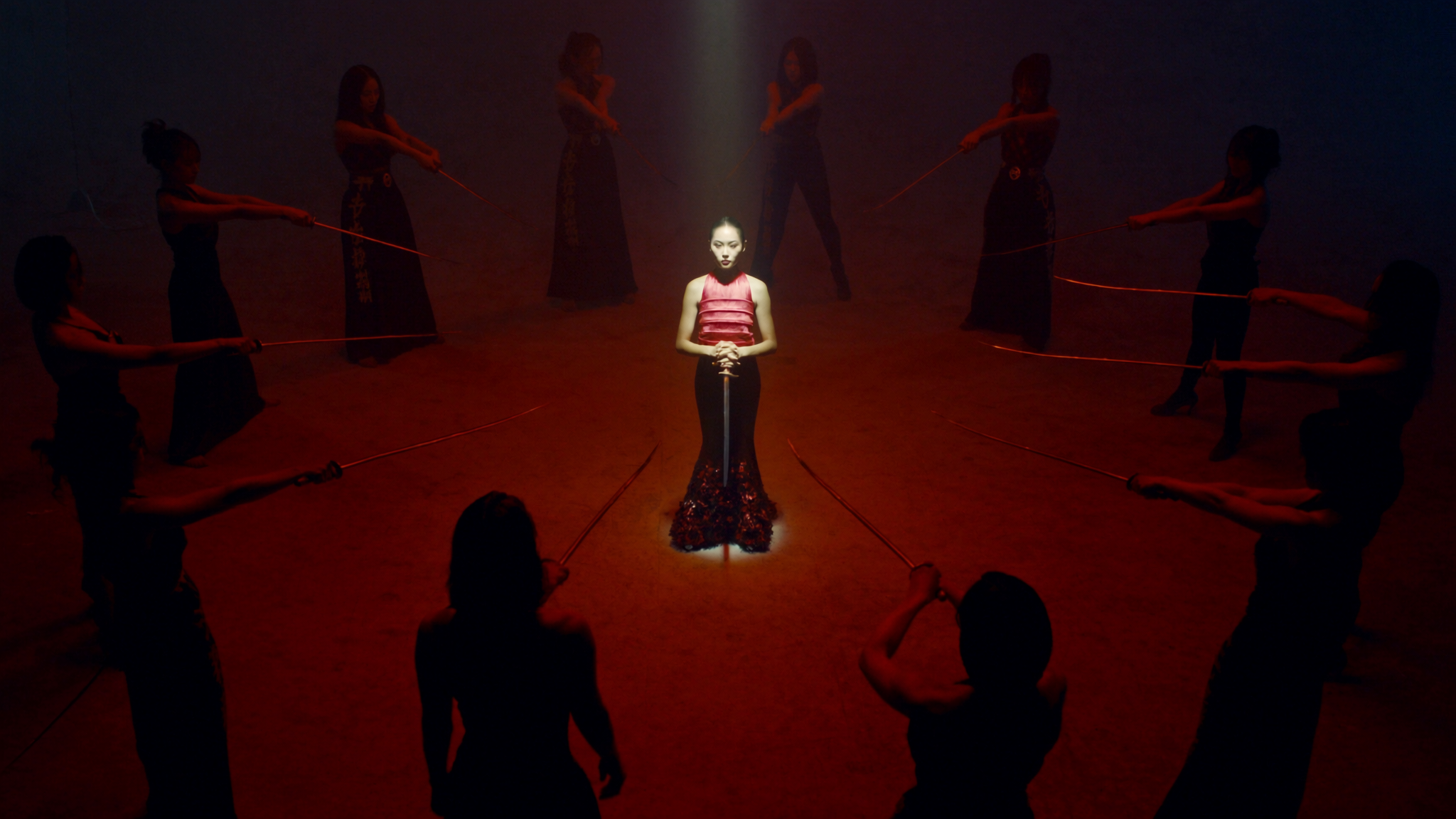
The traditional video production pipeline, from concept development to shooting and editing, is increasingly insufficient for agile businesses. Marketing teams need to generate high-fidelity, contextually relevant video assets on demand. Advanced AI tools have turned this from a slow, expensive process into instant creative iteration. Here is how to go from concept to a polished clip efficiently.
Start with a Clear Creative Brief
Before touching any tool, define what the clip must accomplish: the target audience, the core message, the desired tone, and the platform format. A clear brief determines which models and settings you need. It also prevents endless regeneration cycles caused by vague direction.
For format-driven content, decide early whether you need a short vertical clip for social feeds or a longer horizontal piece for a website or campaign landing page.
Choose the Right Tool for Each Stage
Different stages of the pipeline benefit from different capabilities:
- Idea to first visuals: Use an AI image generator to create storyboards, keyframes, and reference stills quickly. This lets you validate art direction before committing to expensive generation.
- Storyboard to motion: Convert those stills into animated sequences with an image-to-video workflow, which preserves the look of your frames while adding motion.
- Script to scene: When you have a written script, a text-to-video approach lets the model interpret your narrative and generate matching scenes.
Maintain Brand Consistency Across Clips
One of the biggest challenges in AI video production is keeping characters, products, and art direction consistent across multiple clips. Without consistency, a campaign feels fragmented and unprofessional.
Use reference images for key characters and products, and enforce keyframe control so an object introduced in scene A maintains its exact appearance when transitioning to scene B. This is a fundamental requirement for professional brand collateral that basic text-to-video often fails to provide natively.
Integrate Audio and Voice for Impact
Visual quality alone does not carry a marketing video. Professional voiceover, background music, and sound effects dramatically affect engagement and perceived quality. Plan the audio layer early:
- Write the script with pacing and pauses that suit voiceover delivery.
- Choose music that matches the emotional arc of the clip.
- Keep dialogue and music levels balanced so the message stays clear.
For assets that need to be turned into animated marketing pieces, a full AI video generator pipeline can combine visual generation, audio, and formatting in one workflow.
Test and Iterate Quickly
The real advantage of AI production is the ability to A/B test creative variations cheaply. Generate multiple hooks, different color grades, or alternate motion styles, then measure which performs best before scaling production. This iterative loop lets marketing teams optimize conversion rates dynamically instead of betting on a single expensive production.
Practical Workflow Summary
- Write a one-page creative brief (audience, message, tone, format).
- Generate storyboards and keyframes to lock the art direction.
- Produce a short test clip and review it against the brief.
- Refine prompts and regenerate until the result matches.
- Add audio, captions, and export in platform-specific formats.
- Launch, measure, and iterate.
The transition from concept to clip no longer requires weeks of production. With the right tools and a structured workflow, marketing teams can produce professional, on-brand video assets in hours and scale personalized campaigns across markets.
