
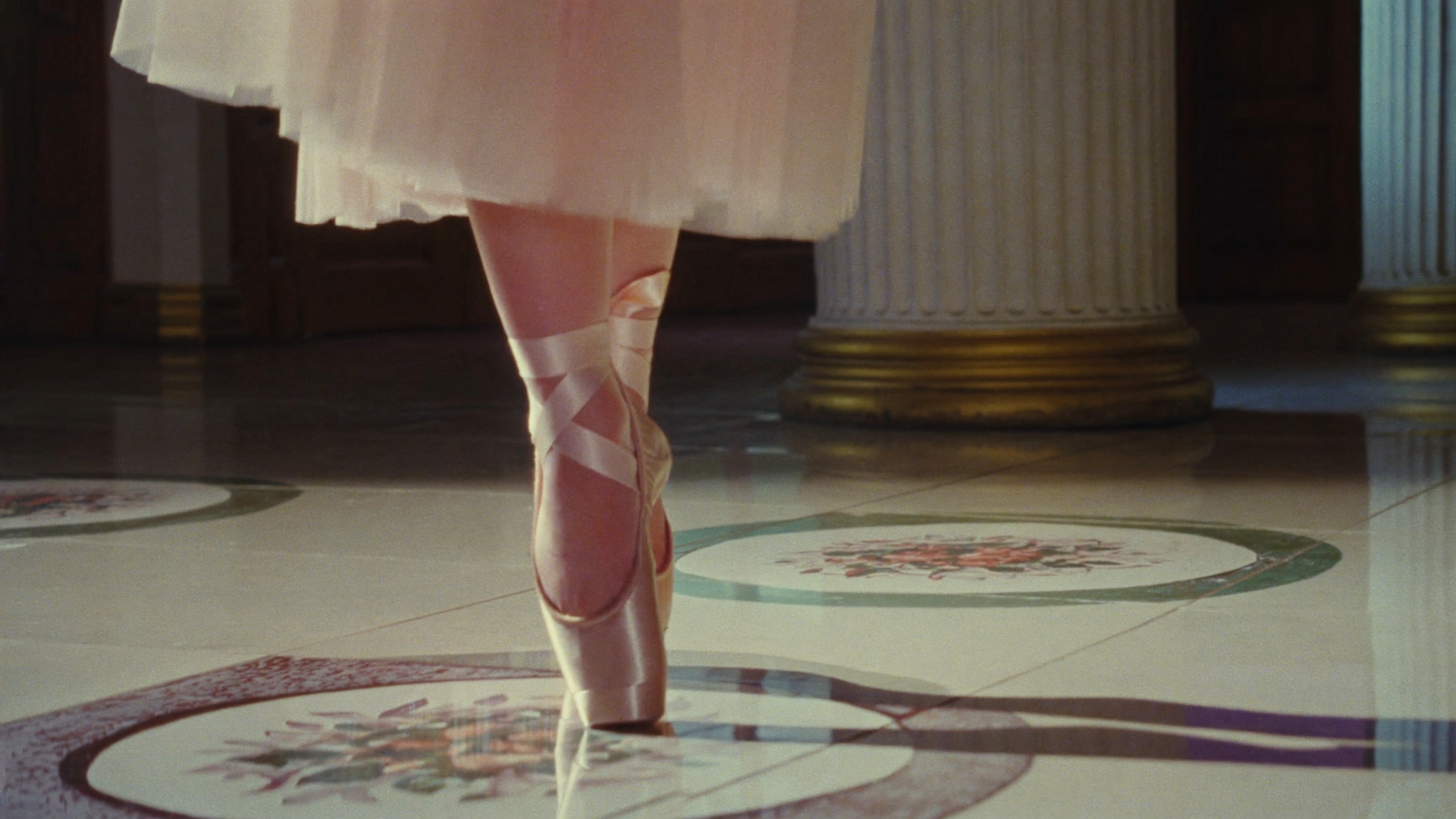
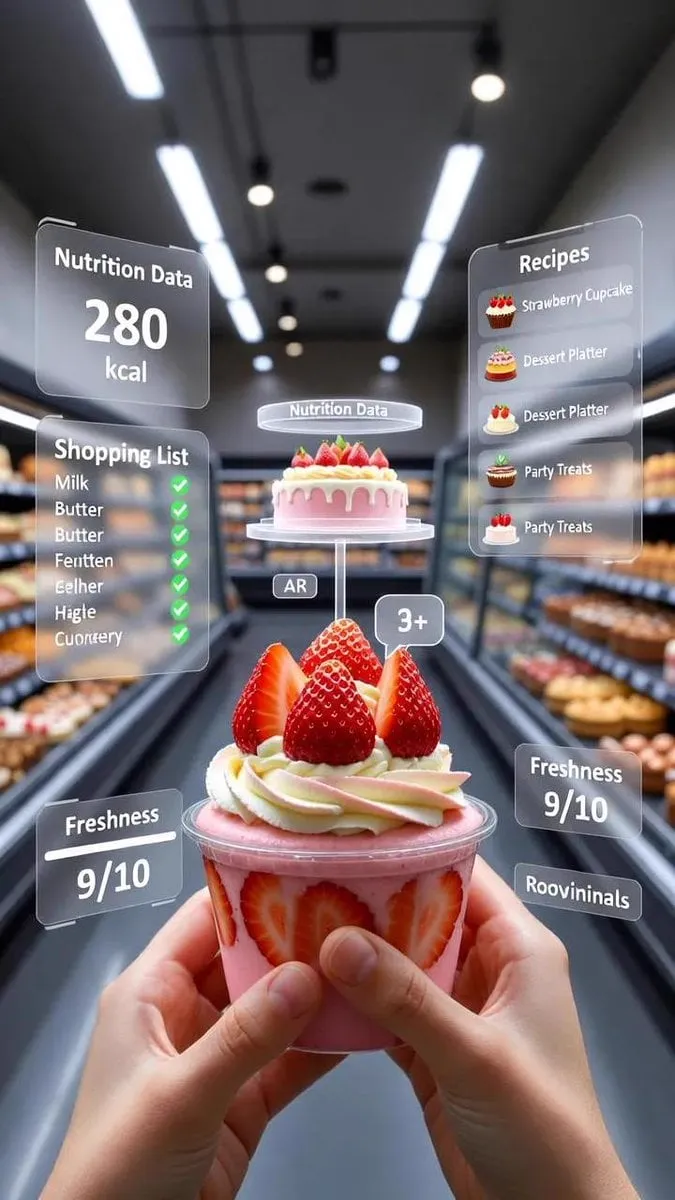
There is a quiet revolution happening in content creation, and it starts with a single photo. Take one still image, feed it to a modern generative model, and what comes back is a short moving film: a person turning their head, wind stirring a landscape, a camera gliding toward a distant building. This image-to-video (I2V) capability has moved from research demo to a practical, everyday tool in less than two years.
The shift matters because it lowers the entry barrier to video production dramatically. You no longer need a camera crew, a location, or complex 3D modeling to produce compelling footage. You need an idea, an image, and the right tool. This article explains how image-to-video technology works, which models lead the market, how to use it effectively, and where it creates real value across industries. It also separates the genuine, repeatable wins from the hype.
What Image-to-Video Actually Does
Image-to-video is a class of deep-learning technology that takes a static image as input and generates a sequence of frames that move in a realistic and temporally consistent way. The model has to understand not just what is in the picture but how it should behave over time — how fabric falls, how water ripples, how a person's expression changes.
The hard part is temporal consistency: each frame must follow logically from the last. When that breaks, the result is a jittery, melting image. Modern models handle this by predicting motion vectors in a latent space and refining them, which is why today's outputs look so much steadier than early experiments. The improvement is not marginal; it is the difference between a novelty and a production tool.
Another reason the technology feels remarkable is that it leverages what visual models already know about the world. Because the model has seen enormous amounts of real footage during training, it can infer plausible interim states that a frame-by-frame interpolation could never produce. That is why waving fabric and falling water look natural even when the source was perfectly still.
Text-to-video vs. image-to-video
The two are often confused. Text-to-video starts from a written description and generates everything from nothing. Image-to-video starts from a real or generated image and brings it to life. The difference matters in practice: with image-to-video you control the exact starting frame, the composition, and the look — which makes it far easier to stay consistent with a brand, a character, or a scene you already own.
That control is why so many creators prefer animating their own stills over generating from scratch. A photographer can animate their own portfolio; a brand can animate its real product photography; an artist can give a single concept image the quality of a teaser trailer, all without rebuilding the visual world from nothing.
The Models Leading the Market
The I2V space is crowded, but a few approaches define the current landscape. It helps to group them by what they trade off.
The realism leaders
A small group of models sets the bar for photorealistic motion and prompt understanding. They produce results close enough to live footage for many commercial uses. Their strengths come at a price: heavier compute, slower generation, and a real need for careful prompts and reference-quality images. If a project lives or dies on realism, this tier is worth the extra cost.
The accessible fast track
Another tier trades a little polish for speed and ease. These tools make animation from a photo a matter of seconds, which suits social-first creators who need volume and iterations. Their quality improves every few months, shrinking the gap with the top tier. For testing ideas quickly and for high-volume feeds, this is often the smartest starting point.
The control-focused tier
A third group emphasizes precision: camera movement, scene reference, and consistent keyframes. These suit filmmakers and agencies that need a specific shot executed reliably rather than a pleasing but unpredictable clip. When continuity across many clips matters more than the wow of a single generation, control wins.
Choosing among them comes down to what you value — realism, speed, or control — rather than any single winner. A pragmatic team ends up with a shortlist covering two of these tiers and switches by job type.
How to Get Good Results From an Image
As with any generative tool, the output follows the input. Follow these habits to raise your hit rate and stop relying on luck.
Start with a clean, high-quality reference
The image you hand the model is the seed of everything. Use a sharp, well-lit, in-focus photo. Blur, noise, or awkward crops in the source will be amplified into the motion. A minute spent improving the source saves many minutes of disappointed regeneration.
Describe the motion you want, not just the scene
A prompt that says only “a busy market” leaves the model guessing. Tell it what should move: “diners sit still while market stalls sway in the breeze, camera slowly pushes in.” The more specific the motion, the more deliberate the result. Name the motion like a director, not a tourist.
Pick one dominant motion
Too many competing motions produce chaos. Choose a single primary action, and let the rest of the frame remain calm. Secondary life — moving leaves, shifting light — adds texture without stealing the focus. The eye needs an anchor; give it one.
Set the camera language
Tell the model how the camera behaves. A slow dolly-in reads as intimate; a handheld shake reads as urgent; a locked-off frame reads as calm control. Camera direction does as much work as the subject's motion. When you do not specify, the model invents a default that may not match your intent.
Regenerate, don't repair
If a clip is broken, regenerate it rather than trying to patch it in post. Consistent motion is easier to achieve at generation than to fake in an editor. Clean regeneration at good settings almost always looks more natural than hours of manual correction.
Technical Challenges Still Being Solved
Despite the progress, honest gaps remain, and knowing them protects you from false expectations.
Self-consistency on close-up faces, complex reflections, and very long continuous shots can still trip up models. Bodies with many joints are prone to subtle warping under fast motion. Most importantly, any object the model has not fully “learned” — unusual products, bespoke props — may drift from your reference.
The practical workaround is to keep subjects contained and predictable, test motion with short generations first, and accept that the best uses of I2V today lean on repeatable, well-defined scenes rather than raw improvisation. Things that read as “creative control” in a live shoot are easier to achieve in I2V by planning rather than by hoping.
Where Image-to-Video Delivers Real Value
Beyond novelty, I2V earns its keep in specific, repeatable applications.
Marketing and advertising
Marketers can take a single polished product shot and generate dozens of short motion clips for feeds, stories, and display ads — at a fraction of the cost of a studio shoot. The ability to repurpose one asset across every format is the clearest ROI case. A single hero image becomes an entire creative family.
Education and tutorial content
Illustrating a concept by animating a diagram, a process shot, or a still of an environment makes lessons clearer and more engaging than a passive image. Step-by-step instructions that move are retained longer and reduce misinterpretation.
E-commerce
Product pages that animate a single catalog photo into a subtle lifestyle video keep shoppers engaged longer while preserving a consistent catalog look. The subtle motion signals that the item is real and usable, not just a flat render.
Personal and creative projects
Photographers can bring a portfolio shot to life; hobbyists can animate memories; artists can add motion to stills and still photography finds a new creative partner. The democratization of motion is the most human benefit of the trend, and it is the reason the technology spread so quickly beyond professionals.
The Business Case You Can Trust
Concrete numbers in this fast-moving space are hard to pin down, but the direction is clear. Content creators and teams report the same pattern: video assets that once cost days and real budgets now take minutes and a fraction of the spend, with the leftover effort going into more iterations and sharper targeting. The compounding effect — more testing, more variants, better results — is what makes I2V strategically valuable, not the rough cost savings alone.
Track your own metrics — engagement per video, cost per asset, variants shipped per week — and let the data, not the hype, tell you where I2V returns value for your business. When you benchmark your own numbers before and after, you get a defensible argument for scaling or refocusing the investment.
Building a Small, Focused Test First
The fastest way to learn whether image-to-video fits your work is a contained trial that mimics a real deliverable rather than a toy demo. Pick one asset you would genuinely publish — a product page, a social post, a presentation — and create a short animated version of it. Run the whole loop: choose the source image, write the motion prompt, generate, review, and publish the result you actually like.
Use the trial to answer three questions. Does the output reach a publishable quality with reasonable effort? How consistent is the result when you rerun the same prompt? And how much does iteration cost in time and budget at the volume you need? These answers are worth more than any product claim, because they measure fit against your reality.
Keep the trial scoped to one asset and time-boxed to a single session. If it fails, you lose an afternoon, not a quarter. If it succeeds, you have a proven recipe and a worked example you can reuse. Most teams find that the first successful trial produces a template they scale across an entire campaign.
A Practical Starter Workflow
Here is a repeatable recipe to begin using image-to-video today:
-
Choose one strong, high-resolution image that suits motion (nature, fashion, product, or a simple human scene).
-
Write one dominant-motion prompt plus a clear camera instruction.
-
Generate a short test clip and review for consistency.
-
Adjust the prompt and regenerate until the motion reads intentionally.
-
Assemble the keeper clip into your project and repeat the cycle with the next image.
Within a handful of iterations you'll have a dependable, opinionated process rather than a lucky slot machine. Keep a log of what worked so the next session starts ahead of the last.
Frequently Asked Questions
Q: Is image-to-video better than text-to-video for brand work?
A: Usually yes. Starting from your own image gives you control over composition and consistency, which matters more than raw generation freedom for branded content.
Q: Do I need a powerful computer?
A: Most production tools are web-based and run in the cloud, so a normal laptop with a browser is enough for day-to-day use.
Q: How long should a generated clip be?
A: Shorter clips with one clear motion produce the most reliable results. Build longer sequences by joining beat-length clips rather than requesting very long single takes.
Q: Can I animate a hand-drawn image?
A: Yes, though quality depends on how cleanly the drawing defines shapes. Simple, bold illustrations animate more reliably than busy, ambiguous ones.
Q: Will image-to-video replace traditional video work?
A: Not entirely. It is best suited to certain shots and content types, and it still needs a human eye for direction. Think of it as a powerful new instrument, not a replacement for the whole orchestra.
Image-to-video is the fastest maturing corner of generative media, and its promise is simple: one extraordinary photo can become the opening of a film. Whether you are marketing, teaching, selling, or simply creating, adding motion to what you already have is now a practical and affordable move. Learn to describe motion well, discipline your references, and let a single still image open the door to an entire moving story.
