
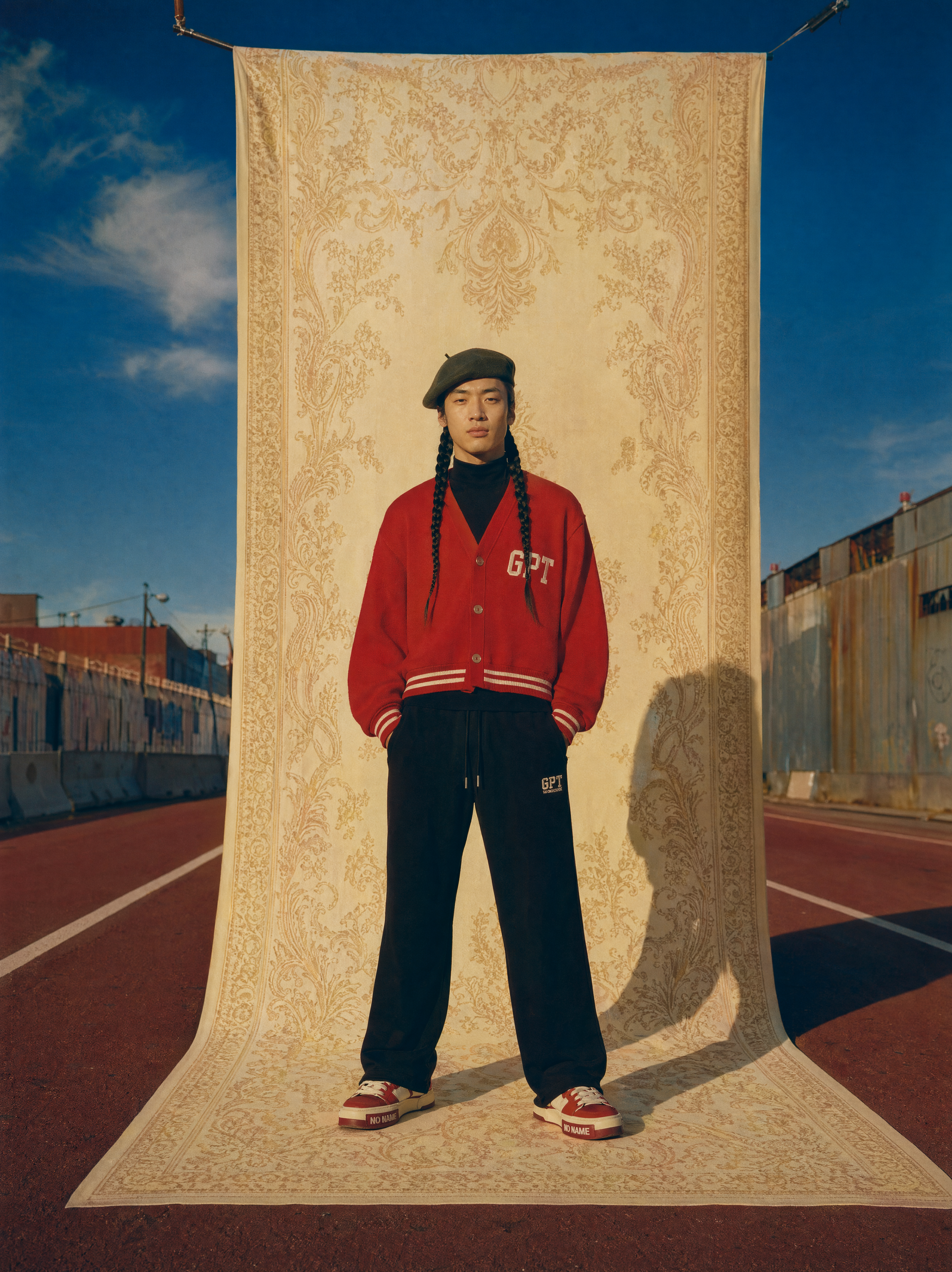
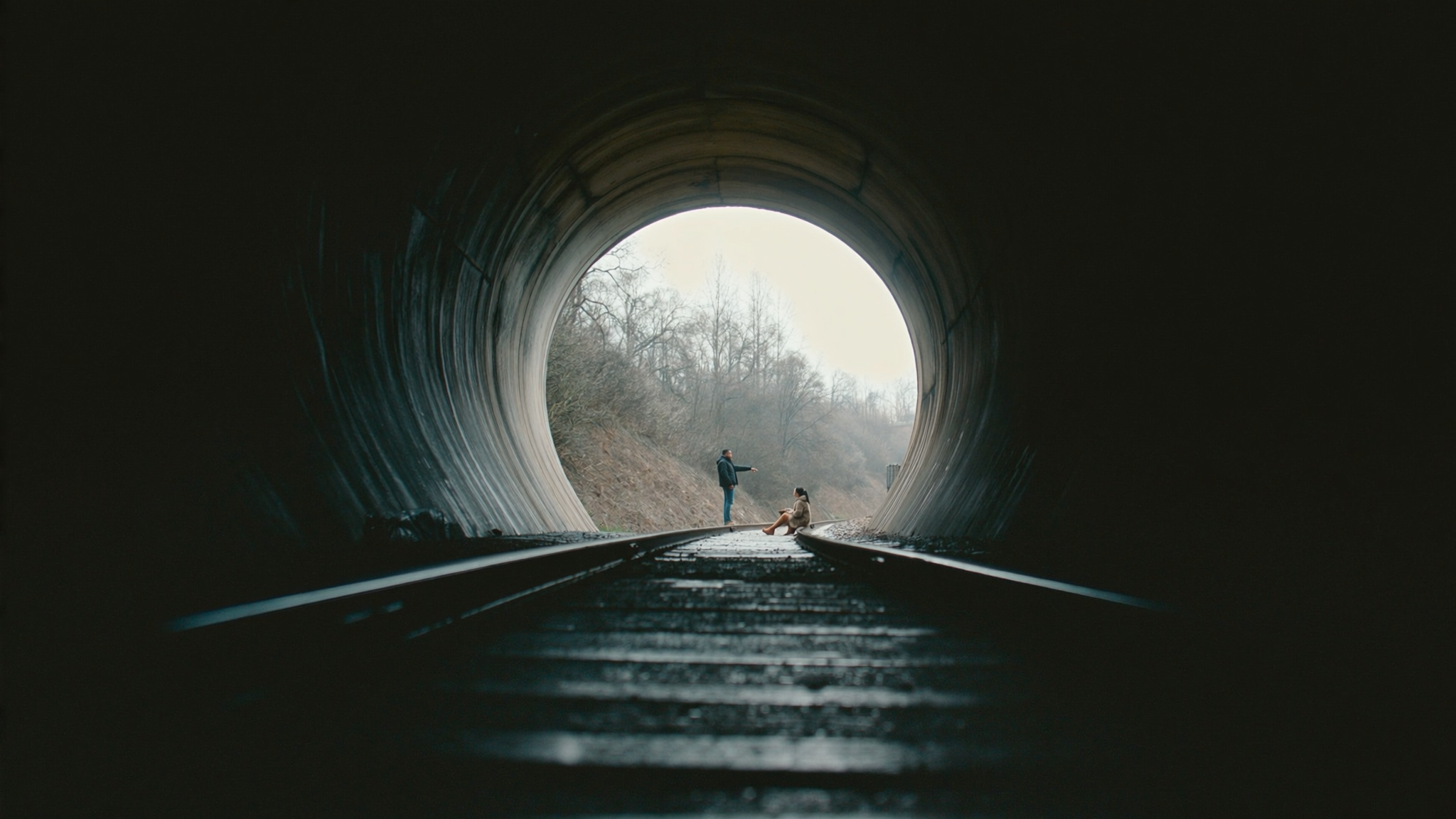
Cinematography is the art of turning a scene into a feeling through the camera. It is why one shot of a room feels cold and clinical while another feels warm and intimate, using the same four walls and the same light. For decades, you could only learn it by watching films obsessively, shooting on real sets, and absorbing years of trial and error under demanding directors.
The online era freed the knowledge. Today you can study framing, lighting, and composition through tutorials that were unimaginable twenty years ago. What is new is that AI generation lets you practice these principles instantly, without a crew, a location, or a camera. This guide shows how to use AI tools to learn real cinematography faster, by treating each generation as a deliberate lesson in how meaning is built visually.
Cinematography is a language, not a settings menu
Many beginners think cinematography is about camera specs: lens types, apertures, shutter speeds. Those matter, but they are only syntax. The actual language is how choices communicate emotion and story to the viewer.
When you watch a scene and feel tense, it is often because the framing is tight and unstable, the light is sculpted harshly, or the depth of field isolates a subject in a vulnerable way. Every choice a cinematographer makes, where the camera sits, how it moves, what is in focus, has a meaning attached. AI generation is a perfect teacher for this, because you can describe an intention, get images, and see exactly how a choice translates into a feeling.
The core principles worth internalizing first
Before you generate anything, learn to name the building blocks. These four principles carry most of a cinematographer's craft.
Composition
This is how you arrange the elements inside the frame. The rule of thirds, leading lines, and negative space are not rigid rules but tools to direct the eye and create balance or tension. Learn to read what a frame is doing with your eye, not with a checklist.
Lighting
Light defines shape, mood, and depth. Hard light creates shadows and drama; soft light flattens and soothes; backlight separates a subject from the background. Direction, quality, and color of light are all part of the visual message.
Color
Color grading sets the emotional temperature of a scene. Warm palettes feel comforting, cool desaturated palettes feel estranged or serious. Consistency of grade across a sequence is essential to a polished result.
Camera movement
Movement guides attention and reveals information. A slow push-in creates intimacy, a tracking shot builds momentum, a handheld instability conveys urgency. Motion choices are meaning choices.
Master these four, and you can direct any tool, including AI, to produce an intended mood rather than a pleasant accident.
Using AI as a cinematography practice lab
Traditional practice required expensive resources. AI collapses that to a prompt. The value here is not producing final content, it is experimenting with cause and effect: change one element, regenerate, observe how the result changes.
For example, describe the same subject with soft key light, then hard dramatic light, then side silhouetted light. Compare the three. You will learn more about how light shapes mood in ten minutes than from reading about it, because you are doing the experiment yourself.
Do the same for composition, framing wide versus tight, subject placement, camera height. Each experiment trains your eye to predict the emotional result of a technical choice, which is the core skill of a cinematographer. AI gives you a low-cost, infinite testing ground.
Building style consistency as a discipline
One of the clearest signs of a professional is consistency. The color grade, the lighting, and the character do not drift between scenes. Beginners, both on set and with AI, struggle with this because maintaining identity takes active control.
Use the tools that support it: reference images to lock a subject's look, keyframes to control motion, and a fixed description of light and palette across every prompt. Treat continuity as a deliberate decision, not something the machine handles for you.
Practice by making a short sequence, even three scenes, that must look like one continuous world. Nail the light and grade across all of them. This single exercise teaches more about professional discipline than a hundred individual clips.
Learning the director's eye through pre-visualization
AI is also an excellent pre-visualization tool. Before you commit to a location, a lens, or a schedule, you can visualize a shot and course-correct cheaply. Professional productions use this to align creative teams; you can use it to learn how ideas translate to images.
Write a short scene and generate a storyboard of frames for it. Compare what you imagined with what the tool returns, then refine the prompts until the frames match your intention. That feedback loop, between vision and rendered image, is how you learn to communicate your ideas visually.
Pre-visualization also reveals options. Generating a scene several ways shows you that the same text can yield different moods, which teaches you to be specific about what you actually want, a skill every director needs.
A study plan for a beginner cinematographer
You do not need to plan out years of study. A focused plan with AI in the loop produces results quickly.
- Week one: learn composition and lighting vocabulary, then run ten prompt experiments varying one element each.
- Week two: study color and grading, and rebuild the same scene in three different color moods.
- Week three: practice camera movement and continuity by making a three-scene sequence with consistent light and grade.
- Week four: learn pre-visualization by storyboarding a short scene and then comparing generated frames with what you filmed or imagined.
Alongside this, watch real films and try to name the technique you see in each shot. The combination of reading, experimenting, and watching makes the principles stick far faster than any single method.
Learning by reading the film, scene by scene
The fastest way to build an eye is to study how professionals put a film together, and you can do that entirely online with any great movie and a pause button. The discipline is to analyze, not just watch.
Pick a scene you find moving and break it into shots. Ask what each shot shows, how it is framed, where the light comes from, what is in and out of focus, and how the camera moves. Then ask why each choice exists: what emotion or information does it add to the scene? Once you can answer those questions for scenes that emotionally affect you, you have internalized the language professionals use.
This reading habit transfers directly to your own practice. When you plan a shot, you start asking the same questions before you generate or film, instead of pointing a camera and hoping. That is the difference between producing images and controlling them.
The value of a shot list and a storyboard
Cinematographers do not improvise an entire film on set; they plan it in advance. The tool for that planning is the shot list and the storyboard, and it is just as essential for solo creators and AI workflows.
A shot list names each shot you need, its purpose, its framing, and its mood. A storyboard turns that list into rough frames so you can see the sequence before investing hours generating footage. Both force you to make decisions early, when changes are cheap, instead of discovering problems after you have rendered a whole scene.
With AI, the storyboard doubles as a prompt framework. Each frame you draw or describe becomes reference for the scene you generate. Working this way, you are directing a film in the literal sense, planning each shot, communicating your intent, and then executing, rather than reacting to what the tool happens to produce.
Building a healthy relationship with the tool
A common beginner trap is either worshipping the output or fighting it, and both undermine growth. The healthy stance is to treat your AI tool as a capable but junior collaborator: talented at rendering exactly what you describe, but with no vision of its own.
This means your job is to be the vision. You decide the meaning, the mood, and the shot, then use the tool to test ideas quickly. When the output disagrees with your intention, the failure is usually in the description, not the tool. Refining prompts until they express your thought is how you translate real vision into generated images.
It also means you stay in control of taste. The tool will happily generate dozens of technically impressive shots that say nothing. Your editing eye, your ability to reject what does not serve the story, is what turns raw generation into a crafted sequence.
Resources and how to use them
Finding good material is easy; using it well is the skill. Prefer resources that name the technique, not just show pretty clips. Forums and creator communities are gold for prompt recipes and troubleshooting. Pay special attention to works that analyze scenes shot by shot, because they teach you to read the language.
Keep a small notebook of your experiments: the prompt, the intention, the result, the lesson. This turns scattered practice into a personal curriculum you can revisit. It is the single most powerful habit you can build.
Practical exercises to train your eye this week
Reading about cinematography is not enough; the eye improves with deliberate, repeated practice. Here are a few exercises you can run in a spare afternoon, using any AI tool you have.
First, re-create a famous still. Pick a well-lit scene from a film and describe it as precisely as you can, then generate your version and compare. Notice which lighting and framing elements you missed, and tighten your next attempt. This builds the habit of reading a frame.
Second, test the extremes of light. Generate the same subject under hard key light, soft fill, and dramatic silhouette. Study how each changes the mood. Doing this once teaches you more about lighting language than a dozen explanations.
Third, run a continuity check. Make a short three-scene sequence that must look like one continuous world, with the same character, light, and grade. Try to keep identity stable across all three. This exercise exposes how much control you actually have and trains the discipline professionals lean on.
Do these weekly, keep notes, and compare your earliest attempts with your latest. You will see measurable progress, which is the most reliable motivation there is.
Common pitfalls for self-taught cinematographers
- Chasing hardware and stats instead of learning to read a frame.
- Copying a look without understanding why it works.
- Ignoring continuity, so nothing you produce holds together as a sequence.
- Mistaking AI's opinion for your vision. Learn to impose your intent, not just accept output.
- Rarely viewing your work as an audience. Step back and ask what it actually communicates.
An FAQ for the curious
Can I really learn cinematography without a camera?
You can learn the principles deeply, and rehearsing vision with AI builds judgment you will carry to a real camera later. Hands-on shooting remains valuable, but the eye and the vocabulary come first.
How long does it take to get good?
It depends on consistency. A focused month of daily experiments will teach you more than years of passive watching.
Do I need expensive software?
No. You need a way to practice (an AI tool is enough) and a way to study (videos and annotated film analysis are free).
Is AI enough to produce professional visuals?
For many purposes, yes, provided you learn the disciplines of style, continuity, and direction that the AI does not manage for you.
What is the most important single habit?
Storyboarding or planning a shot before you generate or film, then comparing the result against your intention. That loop is the heartbeat of cinematography.
Cinematography rewards the eye that can predict how a choice will feel. AI gives you a way to train that eye with endless, cheap experiments: change the light, remount the frame, alter the grade, and watch the meaning shift. Learn to read the language, practice until the choices feel like second nature, and you will produce pro-level visuals online today, and be ready to do the same on a real set tomorrow.
