

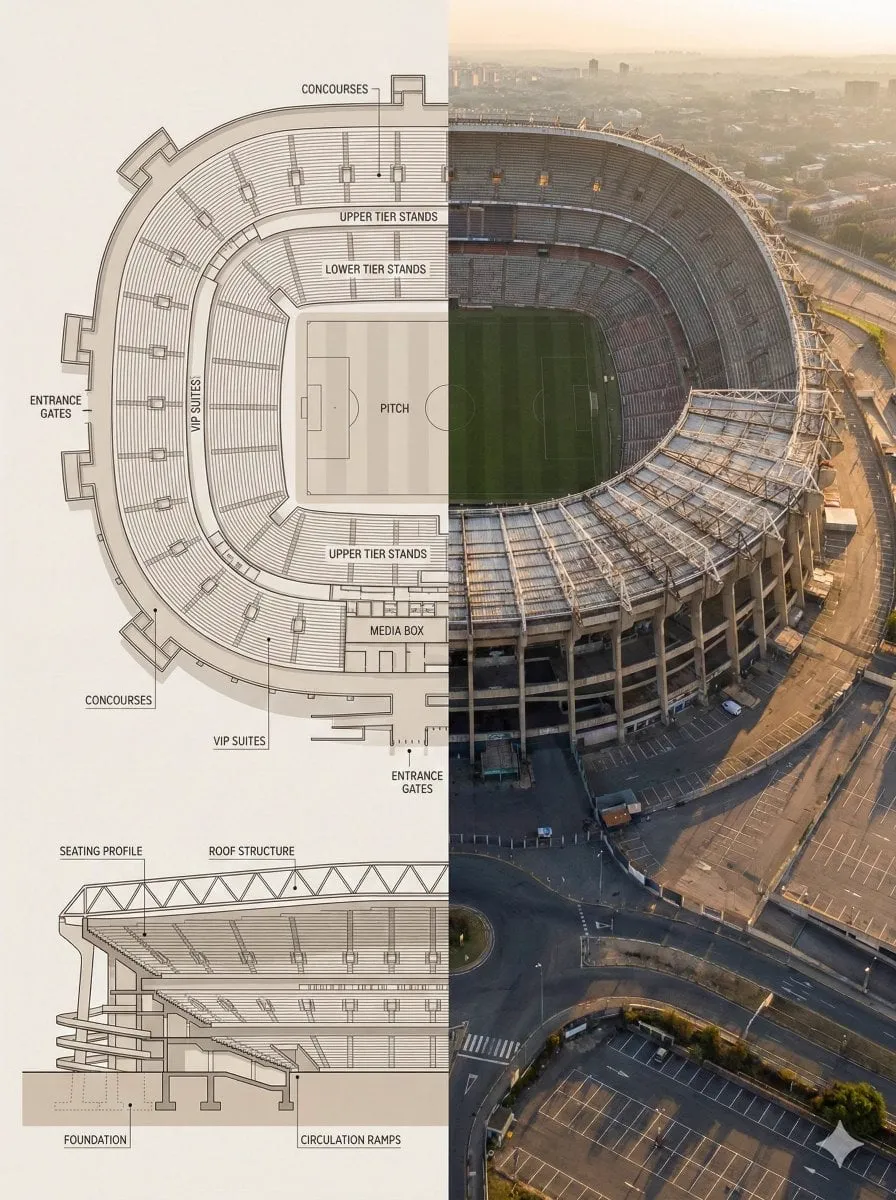

AI video generation has reached a strange point: the baseline quality is now good enough that most creators can produce a decent clip on the first try. The real differentiator is no longer whether a video exists, but whether it holds up under close inspection. Texture, surface detail, and small consistent elements are what separate a clip that looks impressive in a thumbnail from one that keeps a viewer engaged to the last second. That is where what we can call Lego Pixel-style techniques come in: modular, precise, block-by-block control over visual detail, the way a builder places individual bricks rather than pouring a whole wall at once.
This guide explains the core ideas behind detail-focused AI video production, the models that give you the most control, and a workflow that keeps detail consistent across shots without turning your production into a grind.
What Detail-First Video Actually Means
When people talk about detail in AI video, they usually mean two different things. The first is resolution and sharpness: how crisp edges are, how finely textures render, whether fine features like hair strands or fabric weave survive the generation process. The second is consistency: whether a costume, a prop, or a background element looks the same across frames and across shots. A video can be technically sharp but feel broken if a character's jacket pattern changes every few seconds.
Detail-first production treats both dimensions as first-class requirements. Instead of generating a clip and hoping the details work out, you plan them: you decide which elements must stay identical, which textures need to be clearly visible, and how much visual noise the final product can tolerate. This planning is what separates professional work from lucky outputs.
Multi-Image Fusion and Style Inheritance
The most reliable way to preserve detail is to stop relying on text descriptions and start relying on references. Multi-image fusion takes several still images of the same subject and merges their visual information, so that the model carries consistent color, texture, and structure into the generated sequence. A character's costume, for instance, can be defined by three images: a full-body shot, a close-up of the fabric, and a detail shot of the accessories. The model then has a much stronger signal for what that costume must look like than any prompt could provide.
Style inheritance works the same way for visual language. If your video has a specific look, such as a muted color palette or a particular lighting treatment, a reference image that encodes that look will carry it through generation far more reliably than a paragraph of adjectives. The practical rule is simple: when detail matters, show, do not tell.
Choosing Models for Detail Control
Not all models are equally good at preserving detail, and knowing the differences saves you from frustrating regeneration cycles.
Flux-family models are known for strong photorealism and fine surface texture, which makes them a solid choice when the shot depends on realistic materials and skin. Runway's Gen series is valued for cinematic quality and consistent character rendering, especially in shots with complex motion where smaller models tend to smear details. Sora-class models bring narrative understanding and longer coherent sequences, which helps when detail must survive across a whole scene rather than a single clip.
Regional and specialized models add their own strengths. Kling models handle motion well and have good support for stylized output, PixVerse is a strong generalist for artistic looks, and models like Vidu and Hunyuan bring multimodal capabilities that matter when you want audio or background elements to participate in the visual design.
The strategic point is not to crown one model as the best, but to match the model to the detail requirement of each shot. A close-up of a face demands different capabilities than a wide shot of a city street.
Building a Detail-First Workflow
A repeatable workflow is the difference between consistent quality and lucky accidents. Start with a reference bank: collect and organize the images that define your characters, props, locations, and overall style before you generate anything. Then lock the keyframes: decide which frames in the sequence must be treated as anchors that everything else conforms to.
Generate in passes rather than trying to nail everything at once. The first pass establishes composition and motion with a fast model. The second pass refines detail on the shots that made the cut. The third pass checks consistency across the assembled sequence and fixes only the elements that drifted. Each pass should have a specific job, and you should resist the urge to regenerate everything just because one element is off.
Optimizing Rendering Resources
Detail costs compute. High-resolution, high-detail generation uses more resources and takes longer, so part of the craft is knowing where to spend them. Most productions benefit from a simple rule: generate the exploratory drafts cheaply, then spend the expensive high-detail passes only on the shots that actually make it into the final cut.
A task queue helps here. Rather than manually babysitting each generation, organize shots into a queue, prioritize the hero shots, and let the system process them in order. This is especially important for longer projects, where waiting for one shot at a time can stall the entire pipeline. Good queue hygiene also makes it easier to track what has been generated, what is queued, and what failed.
Advanced Combinations for Stubborn Details
When standard models refuse to hold a detail, the answer is usually a combination rather than a better prompt. Framepack-style tools can reinforce and stitch detail across frames, and models with first-to-last frame control let you fix both the opening and closing composition while the middle follows. This is a powerful pattern for shots where a specific object or gesture must land precisely.
For realism without blowing the budget, pairing a high-detail model for the key elements with a lighter model for background or secondary motion is a common cost-saving strategy. The eye is drawn to the main subject; spending all your compute on what the eye actually examines is both cheaper and smarter.
Keeping Detail Consistent Across a Series
If you are producing a series, consistency is not a per-shot concern, it is a brand requirement. The same reference bank, the same keyframe locks, and the same style inheritance must apply across every episode. Establish the visual system once, document it, and reuse it. Teams that do this produce work that feels like one continuous world; teams that wing it produce work that feels like a collection of unrelated clips.
A simple validation routine also pays off: before finalizing any shot, check the three most fragile details — faces, hands, and text — at full resolution. These are the elements where generative models most often slip, and catching the problem before assembly is far cheaper than fixing it after.
A Worked Example: Keeping a Product Consistent
Consider a common commercial task: a hero shot of a sneaker, followed by a detail close-up of the fabric, then a motion clip of the sneaker turning. The detail that must survive across all three is the texture weave, the stitching pattern, and the exact colorway. A text-only approach will drift; the close-up may invent a different stitch or a warmer tone.
The detail-first version begins with a reference bank: a studio shot of the sneaker from the side, a macro shot of the fabric, and a shot that shows the sole construction. Those references are fused and locked before generation starts. The hero shot uses the fused identity as its anchor, the close-up inherits the same weave because it is defined by the macro reference, and the motion clip starts from the hero frame so the turn stays on-model. After each generation, the validation routine checks the three fragile elements: the stitching, the colorway, and the silhouette. If the stitching blurs, that one element is reinforced with a tighter reference instead of re-prompting the whole shot.
This pattern scales to any product. The reference bank becomes the brand's visual spec, and every new asset, whether it is generated by a different model or a different artist, is judged against the same standard. That is how detail consistency stops being a per-shot gamble and becomes a system.
Building the Reference Bank
Because the reference bank is the foundation of everything, it deserves its own discipline. Treat it like a production asset with structure, not a random folder of images. Organize by subject, then by purpose: identity references for characters and products, style references for look and grade, and environment references for recurring locations. Name files consistently so a collaborator can find the right reference without asking.
Quality control applies to the bank itself. Every image should be sharp, well lit, and free of compression artifacts, because flaws in a reference get inherited by every generation that uses it. Review the bank periodically and retire references that are outdated or that have caused problems. A clean bank makes generation predictable; a messy bank makes every shot a gamble.
Evaluating Output Quality Objectively
Subjective review is the enemy of repeatable quality. When you judge a frame by feel, you cannot tell whether the latest change actually improved it, and two reviewers will disagree about what passed. An objective checklist changes that. Define the criteria before you generate: sharpness of the key texture, correctness of the silhouette, stability of the palette, absence of flicker in the material, and continuity of any repeated pattern.
Rate each criterion on a simple scale during review and write the score into the shot log. Over a few projects, the scores reveal which models and settings reliably pass on which shot types. This turns review from a debate into a measurement, and it is the fastest way to raise the floor of your output. The checklist does not replace creative judgment; it makes sure the technical foundation is solid so that creative decisions happen on purpose rather than on accident.
Working With Audio and Multimodal Elements
Detail is not only visual. A video with perfect visuals and muddy audio feels unfinished, and an audio-visual mismatch can destroy the immersion that careful detail work just built. When a project calls for sound-aligned visuals, such as a product reveal that must land on a specific beat, the generation prompt should account for the rhythm, and the edit should be built around the audio track rather than the visuals alone.
Multimodal models that can reason about audio alongside video are useful here, but the practical workflow still leans on a separate sound pass. Generate the visuals with the right pacing, then layer music, foley, and voice in the edit, and let the sound sharpen the moments the visuals set up. Treating audio as a first-class element, rather than an afterthought, is one of the cheapest ways to make detail-first work feel complete.
FAQ
Do I need a powerful computer for detail-first AI video? Most serious generation happens in the cloud, so your local machine mainly needs a reliable connection. For local models, a GPU with at least 12-24 GB of VRAM is a reasonable starting point.
Why do details change between frames even with references? Because the model re-samples the image at every step. References reduce drift dramatically, but they do not eliminate it. Locking keyframes and using models with stronger reference support narrows the gap further.
Is high resolution always better? Not automatically. Resolution without consistency looks worse than moderate resolution with stable details. Prioritize consistency first, then push resolution on the shots that need it.
Can these techniques work for product and advertising content? Yes, and they are especially valuable there, because brand elements such as logos and product shapes must stay exact. The reference bank approach is essentially a branding system for your visuals.
How long does a detail-first workflow take? The first project is slow because you are building the reference bank and the process. Subsequent projects accelerate sharply because the system is already in place. That initial investment is the reason detail-first teams stay fast as their volume grows.
