
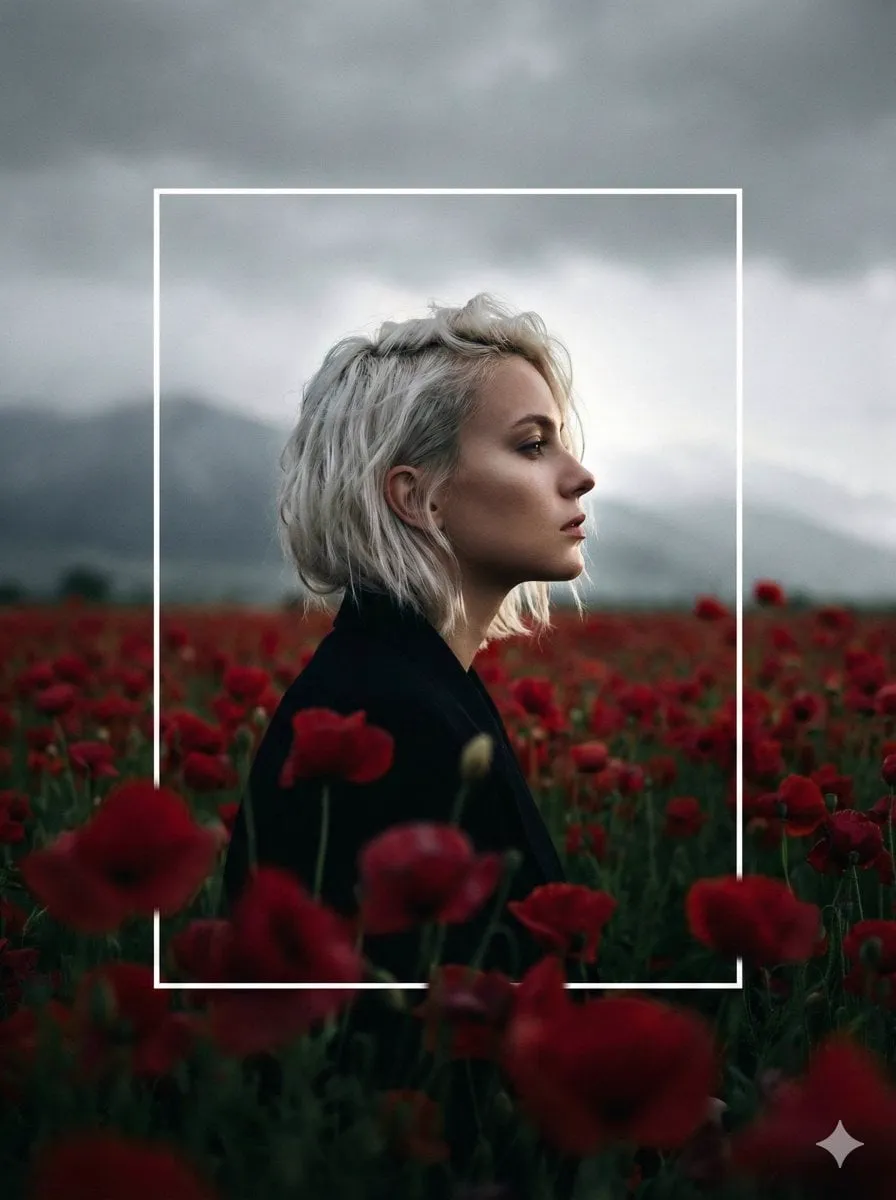
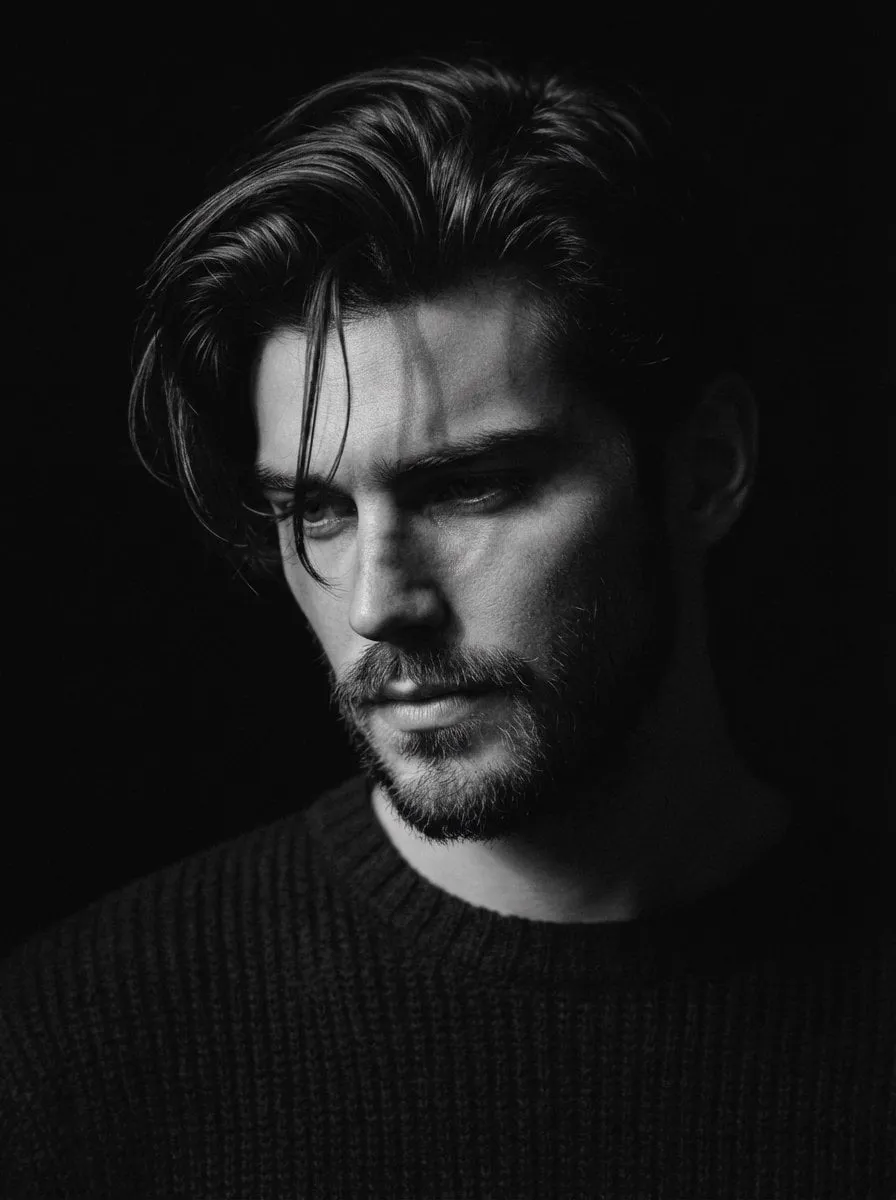
The most frustrating moment in AI filmmaking is watching a character change faces between shots. Scene one shows a protagonist with sharp features and a specific jacket; scene three shows a completely different person wearing the same jacket. This problem — character consistency — has haunted AI video since the first short films were generated from still images. It is also the problem that multi-image fusion was built to solve.
This article explains how multi-image fusion works, why it is the breakthrough that makes consistent characters possible, and how you can use it in your own production workflow. You will learn the technical idea behind the technique, how to prepare reference images, how to combine it with modern generation models, and how to avoid the common pitfalls that still catch creators off guard.
The consistency problem in AI video
Text-to-video models are remarkable at generating a single beautiful shot. The trouble starts when you need more than one shot. Early models treated every generation as a fresh event: the character, the lighting, the costume, even the color grade could shift from frame to frame and from clip to clip.
The reason is simple. A model generates video by predicting pixels, and nothing in that prediction forces it to remember that "this is the same person from the previous clip." Without an explicit anchor, the model reconstructs identity from scratch every time. Small changes in prompt wording, seed values, or sampling settings are enough to produce a visibly different character.
This is not a cosmetic issue. Narrative video depends on the audience believing that the person on screen is one continuous being. When that belief breaks, the story breaks too.
What multi-image fusion actually does
Multi-image fusion is a technique that feeds a model multiple reference images of the same subject — usually five to ten photos from different angles, in different lighting conditions, and with different expressions — so it can learn a stable representation of that subject.
Think of it as building a character sheet before the shoot. Instead of describing the character in words and hoping for the best, you give the model visual evidence of who this person is: the shape of the face, the color of the hair, the way the jaw catches light, the details of the costume. The model compresses this evidence into a shared representation, sometimes called a character embedding, that it can reuse across every scene.
The result is that when you generate shot after shot, the same identity carries through. The character can move, change expression, and appear in different settings without turning into a stranger.
Why several images beat one
A single reference image is not enough. One photo only shows one angle under one light, so the model fills in everything else by guessing. Multiple images constrain those guesses: more angles pin down the facial structure, more lighting conditions reveal the true skin tone, more expressions expose the character's range. The practical rule most creators follow is to collect at least five high-quality images, and ten is better for important characters.
The role of quality and variety
Not all references are equal. Blurry, poorly lit, or repetitive images teach the model very little. Good references are sharp, consistent in subject, and varied in angle and mood. A useful set includes front, side, and three-quarter views; close-ups and medium shots; natural and dramatic lighting. If your character wears a distinctive outfit, include shots that show it clearly.
How this fits into modern generation models
Multi-image fusion is now built into or supported by many leading video models. Runway, Sora, Kling, and the Flux family, among others, have all moved toward accepting multiple reference images as inputs, either directly or through companion tools. This is a strong signal that the industry treats character consistency as a core requirement rather than a premium feature.
Using fusion with high-fidelity models
The most reliable approach is to establish the character with a high-fidelity model first, then generate the actual scenes. Build the reference set, verify that a test clip keeps the identity, and only then move to production shots. This separates the "does the character work?" question from the "does this scene work?" question, which makes troubleshooting much easier.
Combining fusion with custom training
For characters you will use again and again, consider going beyond fusion into custom model training. Instead of passing references at generation time, you train a small adaptation — sometimes called a LoRA — that bakes the identity into the model permanently. This is heavier work, but it gives the strongest consistency and the most freedom at generation time. Multi-image fusion is the fast option; custom training is the thorough option. Many serious creators use both.
A practical workflow for consistent characters
Here is a repeatable process you can apply to your next AI short film.
Step 1: Design the character first
Write down everything that defines the character: age, build, hair, skin tone, distinctive clothing, accessories. Then gather or create reference images that match that description. If you are working with a fictional character, generate the reference set with an image model, being careful to keep prompts consistent.
Step 2: Build and test the reference set
Assemble five to ten images and check them as a group. Do they look like the same person? If not, fix the inconsistencies before you generate a single clip. Test the set with a short animation: a simple head turn or a short walking clip. If the identity holds, the set is good.
Step 3: Lock your style tokens
Write the style vocabulary you will reuse: palette words, lighting terms, lens descriptions, texture words. Consistency in prompts is what keeps the world, not just the character, feeling coherent across scenes.
Step 4: Generate and review shot by shot
Produce each shot, then review it against the reference set. Look for drift in the face, the costume, and the lighting. When a clip fails, regenerate with adjusted prompts rather than accepting it and hoping the edit hides the problem.
Step 5: Unify in post-production
Finally, apply a single color pass across all clips. This does not fix identity drift, but it makes small differences in exposure and tone far less noticeable, giving the whole piece a cohesive finish.
Controlling motion and expression
Consistency is not only about identity; it is also about behavior. A character who smiles in one scene should not forget how to smile in the next. Two techniques help here.
First, be explicit in prompts about the emotional and physical state: "she frowns slightly, arms crossed, looking off camera." Specific direction keeps the performance readable and reduces the model's tendency to default to a neutral, generic expression.
Second, use reference frames from your own previous shots. If scene five shows the character reacting to something, give the model a frame from scene two where the character is in a similar mood. This kind of cross-scene referencing stabilizes both identity and performance.
Economic impact: why this matters for creators
Character consistency is not an esoteric technical concern; it is a business issue. Inconsistent characters force reshoots, waste compute budget, and produce content that audiences reject. A creator who can reliably produce the same character across dozens of shots can take on work — branded series, episodic content, client projects with recurring mascots — that was previously impossible.
This is also what separates amateur AI content from professional work. Audiences have become demanding: they expect realism and narrative coherence, not just pretty single frames. The creators who invest in consistency tools and workflows are the ones who get hired, retained, and recommended.
Fusion beyond characters: products, locations, and creatures
The same technique that keeps a human character consistent works for any recurring visual subject. Product shots, locations, and creatures all benefit from the multi-image approach, and in commercial work this is often where the return is highest.
Products that stay on brand
A brand film that shows the same product from multiple angles and in multiple scenes needs the product to remain identical: same packaging, same label details, same proportions. Collect reference images of the product under good lighting and feed them to the model as a set. The payoff is that every generated shot looks like the same unit, which is essential for client approval and legal accuracy.
Locations that feel continuous
If your story moves between rooms of the same building or returns to a city street several times, use a location reference set. Shots from different angles and times of day teach the model the spatial logic and material details of the place. The result is a world that feels physically coherent rather than a collection of unrelated backgrounds.
Creatures and mascots
Fictional characters — a mascot, a monster, an animated host — benefit even more, because there is no real-world reference to fall back on. Build the reference set with image generation first, verify the design across angles, then use fusion to carry the design into video. This is how independent studios create recurring characters without a full 3D pipeline.
When to reach for custom training
Multi-image fusion is the fast, flexible option, but it has a ceiling. For characters or products you will use in many projects, or when fusion alone cannot hold identity across very long sequences, custom training is the next step. A small trained adaptation embeds the identity directly into the model, so every generation starts from a stable base instead of depending on references being passed at generation time.
The trade-off is effort and compute. Training requires a curated dataset, time to iterate, and enough runs to validate. Most creators reserve it for their flagship characters and use fusion everywhere else. The combination of both approaches gives you speed where it matters and stability where it counts.
Common mistakes and fixes
- Using too few references. Three similar photos are worse than ten varied ones. More angles, more light, more expressions.
- Mixing different characters. If your reference set includes two different people by accident, the model will blend them. Check every image before use.
- Changing prompts wildly between shots. Small variations are fine; rewriting the entire visual description invites drift.
- Skipping the test pass. Generating ten shots before checking one means ten shots may all be wrong. Always test with one clip.
- Relying on post-production to fix everything. Color grading can unify tone, but it cannot rebuild a face. Fix identity at the generation stage.
Frequently asked questions
How many reference images do I need?
Five is the practical minimum, ten is a good target for important characters. What matters more than the count is variety: different angles, lighting, and expressions.
Can I use multi-image fusion with any video model?
Support varies by model. Check whether your chosen tool accepts multiple reference images directly or requires a companion workflow. The technique itself is model-agnostic even when the implementation is not.
Does custom training replace multi-image fusion?
They complement each other. Fusion is fast and good for one-off projects; custom training is slower but delivers the strongest consistency for characters you will reuse. Start with fusion, and consider training when a character becomes recurring.
Why does my character still change in some shots?
Identity drift is usually caused by inconsistent prompts, weak references, or scenes that push the model beyond its comfort zone (extreme angles, heavy action). Tighten the reference set and keep prompt vocabulary stable.
How long does the whole workflow take?
For an experienced creator, building and validating a character takes one to two hours. The investment pays back immediately in fewer failed generations and a much shorter edit.
Can fusion handle non-human characters, like animals or robots?
Yes. The technique works with any subject that has consistent visual features. Animals are slightly harder because fur, feathers, and flexible anatomy change shape more dramatically between angles, so you need a larger and more varied reference set. Robots and vehicles are usually easier, because their rigid structure gives the model strong geometric anchors. In every case, the principle is the same: more varied references produce a more stable identity.
Does the quality of my reference images limit the final result?
Almost always, yes. The model can only learn what the references show. Soft, low-resolution, or poorly lit images produce characters that look soft and generic even in high-fidelity generation. When you need a character to look sharp and filmic, the references must be sharp and filmic too. This is why professional creators spend real time on the reference set instead of treating it as a formality.
Final thoughts
Multi-image fusion has moved AI filmmaking from "one great shot" to "a story with characters." The technique is accessible, practical, and already supported by the major generation tools. What it demands from you is discipline: build good references, test before committing, and keep your prompts consistent. Do that, and the character on your screen stops being a lucky accident and starts being a deliberate, repeatable creation.
