
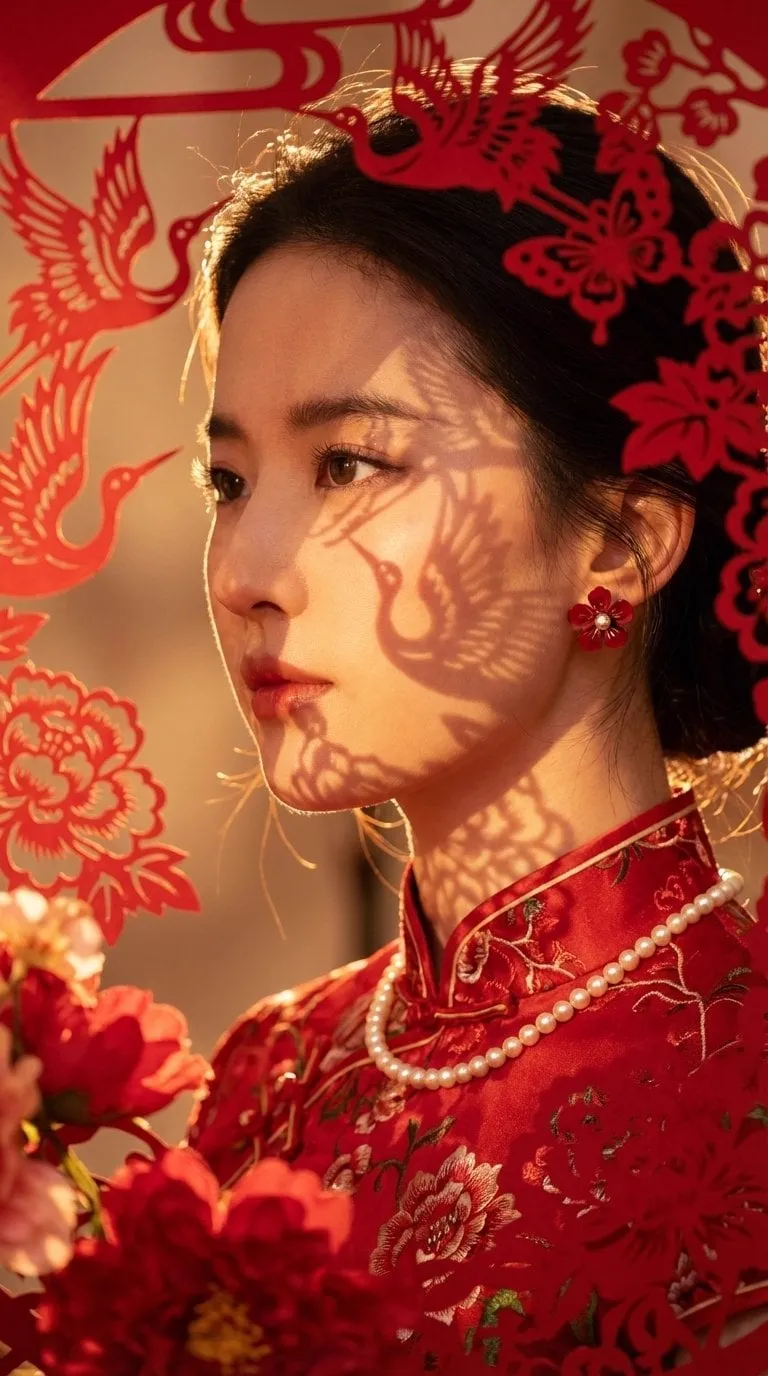
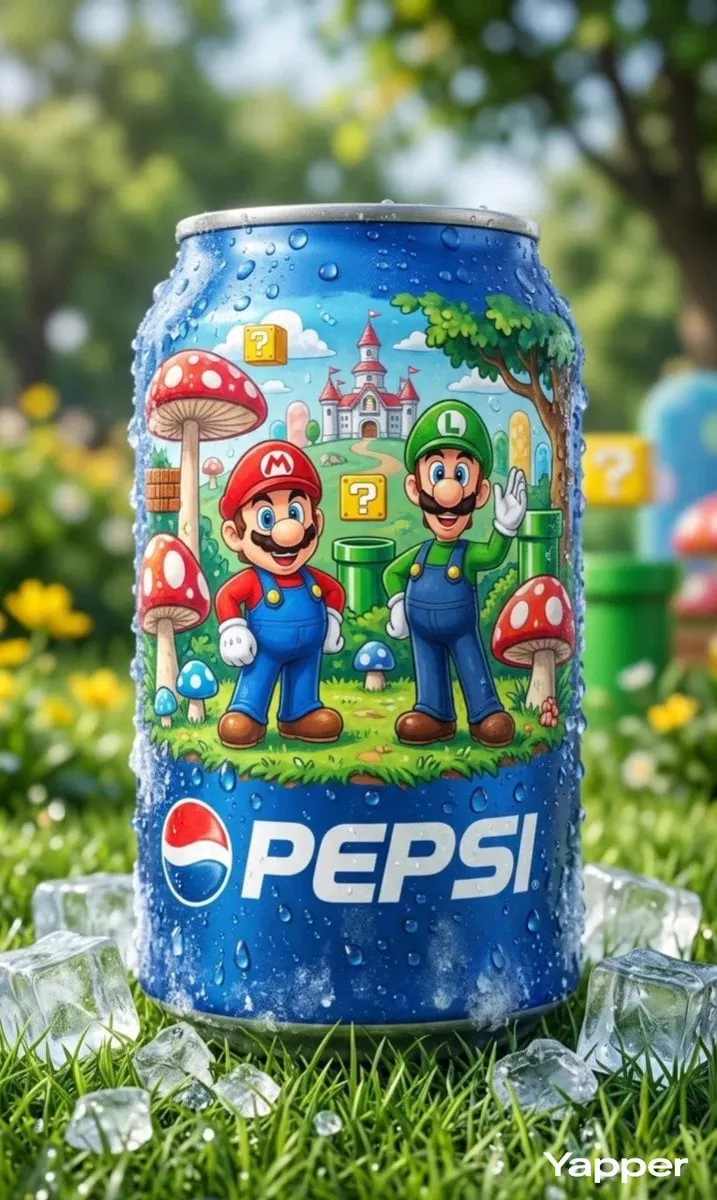
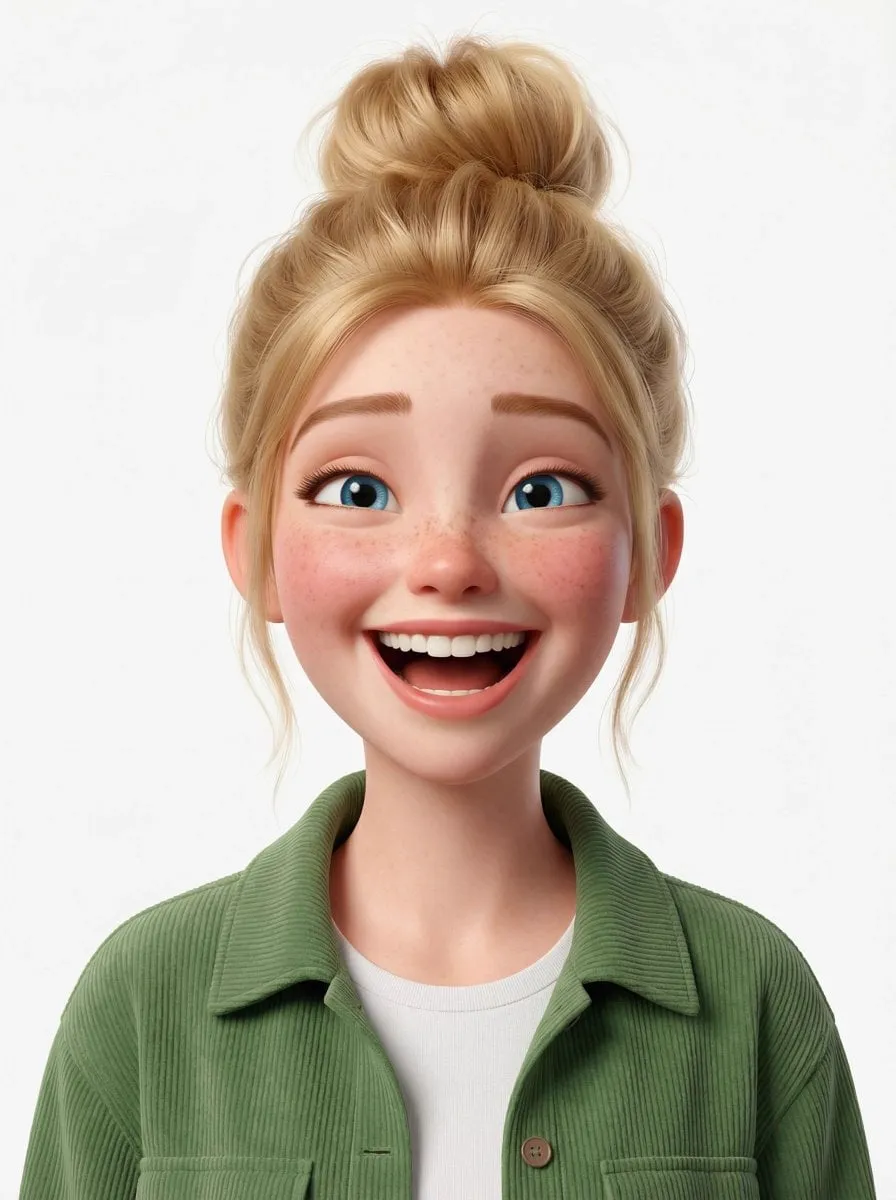
Text-to-video models have grown powerful enough to produce single, impressive clips on demand. But the moment you want to tell a longer story, keep a character recognisable across scenes, or maintain a consistent look through a whole sequence, a single prompt is not enough. This is where multi-image fusion makes the difference: instead of describing a scene from nothing, you give the model several reference images and let it build video that stays coherent with them. In this article we look at what image-to-video generation with multiple reference images really means, why it matters for content creators, and how you can put it to work in a practical workflow.
From a single image to a living scene
For years, the standard way to animate a still was image-to-video: feed one picture into a model and ask it to make the subject move. It worked for short effects, but it had a hard ceiling. One image carries only so much information. If you wanted a character to walk through several rooms, react to different props, or keep the same face, outfit, and style across multiple shots, a single reference point could not anchor all of that.
Multi-image fusion removes that ceiling. Several reference images can each describe one aspect you want to keep stable: one photo for the character's face, another for the clothing, another for the setting, another for the lighting and colour grade. The model learns which visual properties must stay constant and then animates a scene that respects all of them. The result is a short video that looks like it was cut from the same production rather than pasted together from unrelated generations.
This shift matters far beyond specialist tooling. It turns video generation into something usable for real production work: ad campaigns, character-driven stories, product showcases, educational sequences, and longer social videos where consistency is the whole point.
Why consistency became the biggest problem
Ask anyone who has spent serious time with AI video generation and they will mention the same frustration: the first shot looks great, but the second shot of the same subject looks like a different person. Faces drift, outfits change colour, the environment shifts between scenes, and the mood of the lighting never matches. For a creator trying to build a narrative, that instability is a deal-breaker.
The root cause is architectural. Many early models treat every generation as an independent event. There is no memory of anything that came before, so a character's appearance has to be reinvented from the prompt each time. Descriptions like "same woman, same blue jacket" are not enough to guarantee the model draws the same woman and the same jacket.
Multi-image fusion solves this by anchoring semantics to concrete visual references. Instead of relying on words to hold identity constant, you hand the model the actual pixels you want it to respect. The character's face stays the character's face because the model can compare against the reference instead of guessing. Settings, props, and style can each be locked down in the same way. The result is a dramatic jump in the reproducibility that narrative content demands.
How multiple references shape camera and motion
Reference images are not only useful for identity. They also let you control cinematography. By selecting which reference dominates the composition, you guide the model's choices about framing, camera angle, and how movement should feel. You can hold the framing stable while the subject moves, or combine a wide establishing shot with a close-up reference to define the geometry of a space.
This gives creators something close to directing. In a purely text-driven model, you would describe "a slow push-in towards the subject, dolly left" and hope the model obeys. With references, you can bake that intent into the input by including an example frame of the camera position you want and letting the model treat the motion guidance as the animation layer on top.
The practical value is that scenes can be designed in sequence before any of them is animated. You lay out the look of the story as a set of stills, agree on the identity and environment, and then let the fusion process breathe motion into each planned shot. That is very close to how a traditional animatic works, brought into the AI generation pipeline.
A realistic workflow for character-led content
Let us walk through how you might actually build a short character-driven piece using multi-image fusion.
Define the look first, not the motion
Start with stills rather than prompts. Create or gather a reference set: at least one clean shot of the character, one shot of the environment, and one example of the intended colour grade or lighting. If the character has a distinctive prop or outfit, give that its own reference too. The more the model has to anchor on, the more stable the output will be.
Design the shots as a storyboard
Break your narration into a small number of planned shots. For each shot, decide which references are relevant: does it need the character face, the environment, a specific prop, or a particular light grade? Writing this down before generating keeps you from drifting as you iterate.
Generate and compare
Run the generation for a first shot and inspect the result against your references. Check identity, outfit, and setting, not just how appealing the motion looks. If something drifts, strengthen the corresponding reference or split the scene into shorter segments. Many professional crews keep each generated clip short, because short segments are far easier to keep stable than one long, complex shot.
Build the sequence iteratively
Generate one shot at a time and accept it while it matches, rather than generating everything in parallel and hoping. Because each accepted shot becomes part of your reference set, later shots inherit stability from earlier ones. This incremental approach is the single most effective habit for consistent multi-shot output.
Managing resources and expectations
Multi-image generation is more demanding than a single prompt-to-video run. You are providing several inputs, and the model has to reconcile them while animating. That translates to longer processing and, on platforms that meter usage, a higher cost per clip. Plan your budget accordingly: keep reference sets lean, prefer short segments over long ones, and test with a small number of shots before committing to a full sequence.
It is also worth managing expectations about the first result. Multi-image workflows reward iteration. The first pass may give you perhaps seventy percent of what you want; the second or third pass, guided by the previous output, closes much of the gap. Treat the process as a refinement loop rather than a one-shot generation, and the quality ceiling rises quickly.
Where this is headed
Multi-image fusion sits at an interesting crossroads. On one side it pushes AI video from novelty toward repeatable production. On the other, still-to-video workflows already merge with text-to-video so that creators mix typed directions with image anchors in a single prompt. The direction is clear: the model becomes a collaborator that respects your visual intent instead of guessing it.
For content teams, the practical consequence is that character-driven and brand-consistent video stops being the hard, expensive part of AI production. A set of carefully designed references plus a disciplined shot-by-shot loop produces material that can actually be assembled into narrative work. The technology is not about replacing taste; it is about giving good taste reliable, repeatable output.
Comparison to adjacent approaches
It helps to see multi-image fusion against the alternatives you might be tempted to try instead.
Prompt-only text-to-video is the fastest to test and the least controlled. It is excellent for mood boards, experiment ideas, and single stand-alone shots, but it offers no natural way to keep identity or setting stable across many clips. If you need a character to recur, you will spend most of your time re-prompting and rejecting drift.
Single-image animation is a step up in control. It reliably keeps the look of one source, but it carries that image's limitations: a whole scene compressed into one frame. You cannot easily add a different environment photo as the anchor without a separate mechanism, and complex choreography in a large space quickly overwhelms what one image pins down.
Referencing via text alone, such as trying to describe "the same teal jacket with gold buttons from the previous shot", never holds up reliably. Language is too imprecise for visual identity. Multi-image fusion closes this precise gap, which is exactly why it has become the preferred route for series and campaign work.
A sensible strategy for most creators is a layered pipeline: use text-to-video for speedy exploration, switch to single-image animation for simple movement, and bring in multi-image fusion when a project requires recurring characters, brand assets, or scene-to-scene continuity.
Common pitfalls and how to avoid them
Every fusion workflow produces a familiar set of failure modes. Knowing them in advance saves you many rejected generations.
The first pitfall is contradictory references. If two images imply different lighting, or the environment shot disagrees with the subject's scale, the model is forced into a compromise and the output looks muddy. Audit your reference set for internal consistency before you generate.
The second is giving each reference equal weight when you intend one to lead. If you want the character face to be the anchor but include several strong style images that dominate, the identity will drift even with good input. Decide which reference is the driver for each element and keep the rest subordinate.
The third is over-length. Beginners ask for one long, complicated clip because it feels efficient. Long clips are dramatically harder to keep coherent. Split the action into short segments, generate them individually, and assemble later; this almost always yields better results than one ambition-driven take.
The fourth is an unusual or cluttered subject. A character with a very distinctive outfit and complex hand-held prop demands a lot from the references. When that happens, strengthen the reference or simplify the action, because the model can only reconcile what it is given.
Practical use cases
Concrete examples make the value tangible.
A brand launching a mascot can now produce an entire series of vignettes where the same mascot appears in different scenes, consistent face to face. Product designers can animate a prototype from multiple camera angles while keeping the exact material and lighting true to the concept. Educators can build a recurring character that explains different topics in different settings without the character morphing between lessons. E-commerce teams can turn still product photography into motion that preserves the exact colour and finish of the item, which matters for both trust and consistency across a catalogue.
Each of these cases comes down to the same habit: decide the visual constants once, supply them as references, and let the motion be the variable that varies.
Getting started with a small test
If you want to feel the effect before committing, run a small test. Take one photo of a person, one photo of an environment, and a short prompt describing a simple action the person performs inside that environment. Generate once to see how the model reconciles the two. Then remove the environment reference and generate again. The difference in how the setting is drawn shows you exactly what multi-image fusion is contributing.
Do the same with a brand logo and a product shot. Produce a five-second clip that respects both. If the logo stays crisp and the product keeps its finish, you have confirmed the workflow is worth building around. That small experiment costs very little and gives you a grounded sense of what to expect at production scale.
Frequently asked questions
How many reference images do I need?
Three to five well-chosen references are usually enough: the subject, the environment, and one or two for style or props. More references can add control, but they also add processing cost and complexity, so lean sets beat bloated ones.
Will multi-image fusion keep the exact same face every time?
Identity consistency improves dramatically compared to text-only prompting, but it is not a watermark-perfect guarantee. Safer practice is to keep each clip short and reuse accepted frames as references for following shots.
Can I mix text prompts with image references?
Yes. The strongest workflows combine a natural-language description of the action with image references that lock down the visual constants. Direction for the motion usually lives in the text; direction for the look lives in the images.
Is it worth the extra cost over text-to-video?
For single novelty clips, no. For any project where characters, brand identity, or a consistent setting matter across multiple shots, the cost is easily justified because it removes the rework that instability otherwise produces.
Do I need a powerful computer?
Most generation happens in the cloud on the provider's infrastructure, so you mainly need a browser and a stable connection. The heavy compute is on the server side, which keeps production practical on modest hardware.
What is the fastest way to improve output quality?
Reduce clip length, tighten your reference set, and reuse accepted frames as anchors for later shots. Those three habits do more for stability than any single prompt tweak.
