
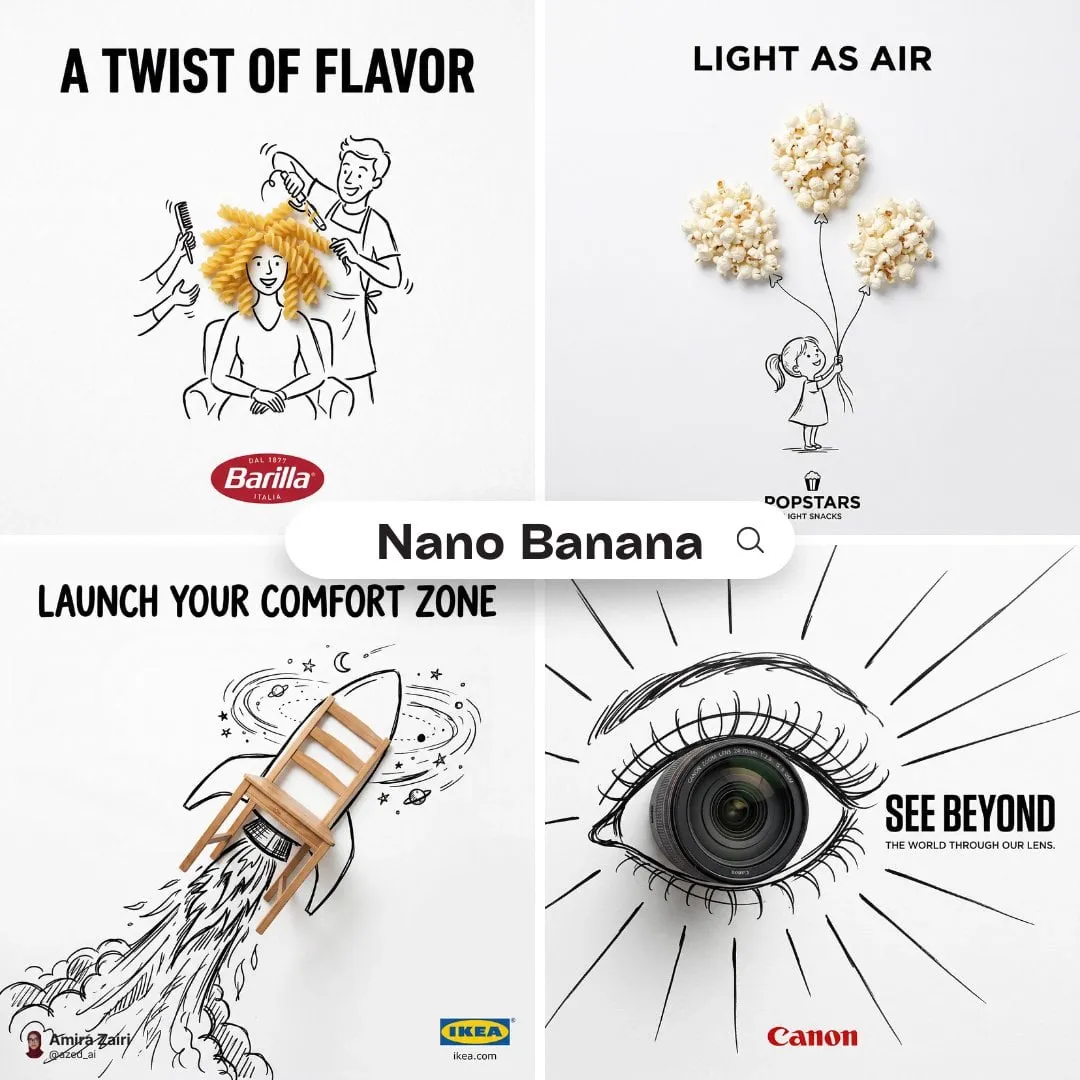
Creating photorealistic AI art used to feel like luck. Today, with the right prompt structure and techniques, you can reliably generate images that look like photographs — and keep the same character across multiple scenes. This guide covers both skills: prompting for realism and locking character identity.
The anatomy of a photorealistic prompt
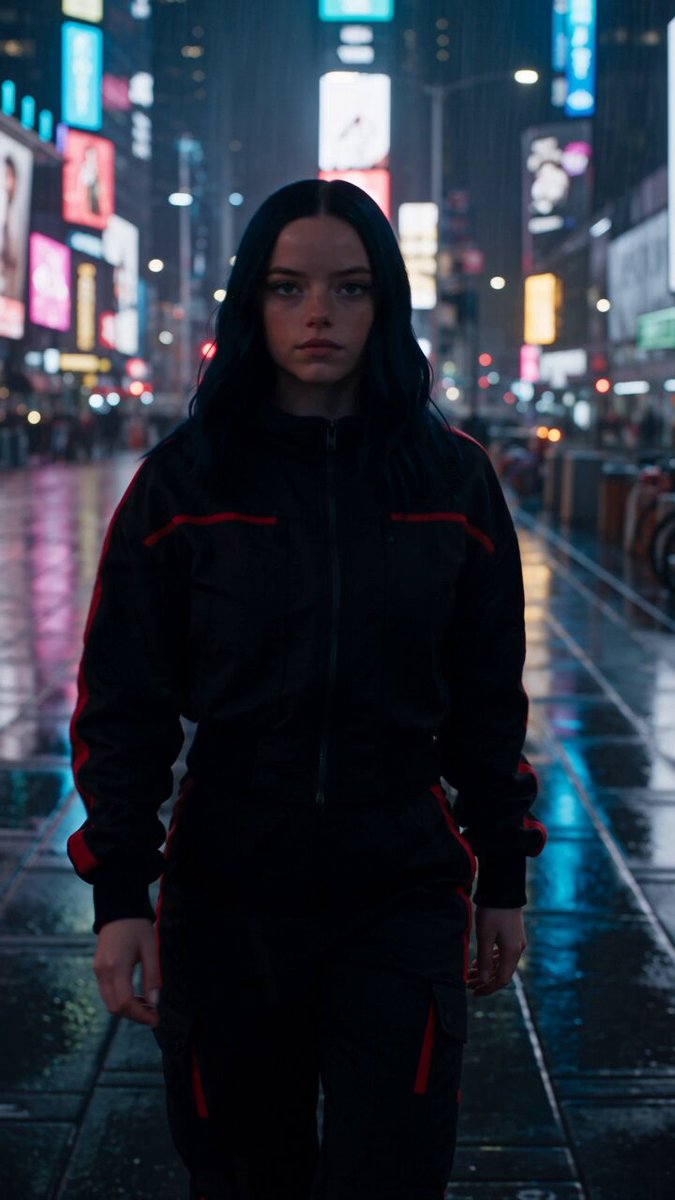
A photorealistic prompt goes beyond a simple description. Specify lighting, camera lens, perspective, texture, and depth of field. Details like "natural window light, 85mm lens, shallow depth of field" move the result from generic illustration to photographic realism.
Start by generating your base images with an AI image generator. For scenes that need motion, extend the workflow with image-to-video to animate your stills.
Consistency through multi-image fusion
The classic problem with AI characters is that their face changes between scenes. Multi-image fusion solves this by combining several reference images — front, side, full body — into a fixed identity anchor. Once locked, you can change poses, backgrounds, and lighting without losing the character.
A practical workflow
- Write a detailed prompt with lighting and camera specs.
- Generate 3-5 reference images of your character.
- Anchor the identity using those references.
- Create scenes with varied backgrounds and poses.
- Compare outputs and correct any drift.
Choosing the right models
For high-fidelity stills, GPT Image 2 delivers excellent realism and detail. For smooth motion and dynamic sequences, Seedance 2.0 is a strong choice. Combining an image model with a video model gives you the best of both worlds.
Common mistakes
The first mistake is ignoring lighting in your prompt; light is what sells realism. The second is using inconsistent reference images, which causes character drift. The third is skipping the comparison step — always review several outputs before committing.
Conclusion
Photorealistic AI art and consistent characters are achievable with structured prompts and the right techniques. Build a repeatable workflow, test your models, and refine as you learn. Explore more tools in the AI tools directory and the effects section.
