

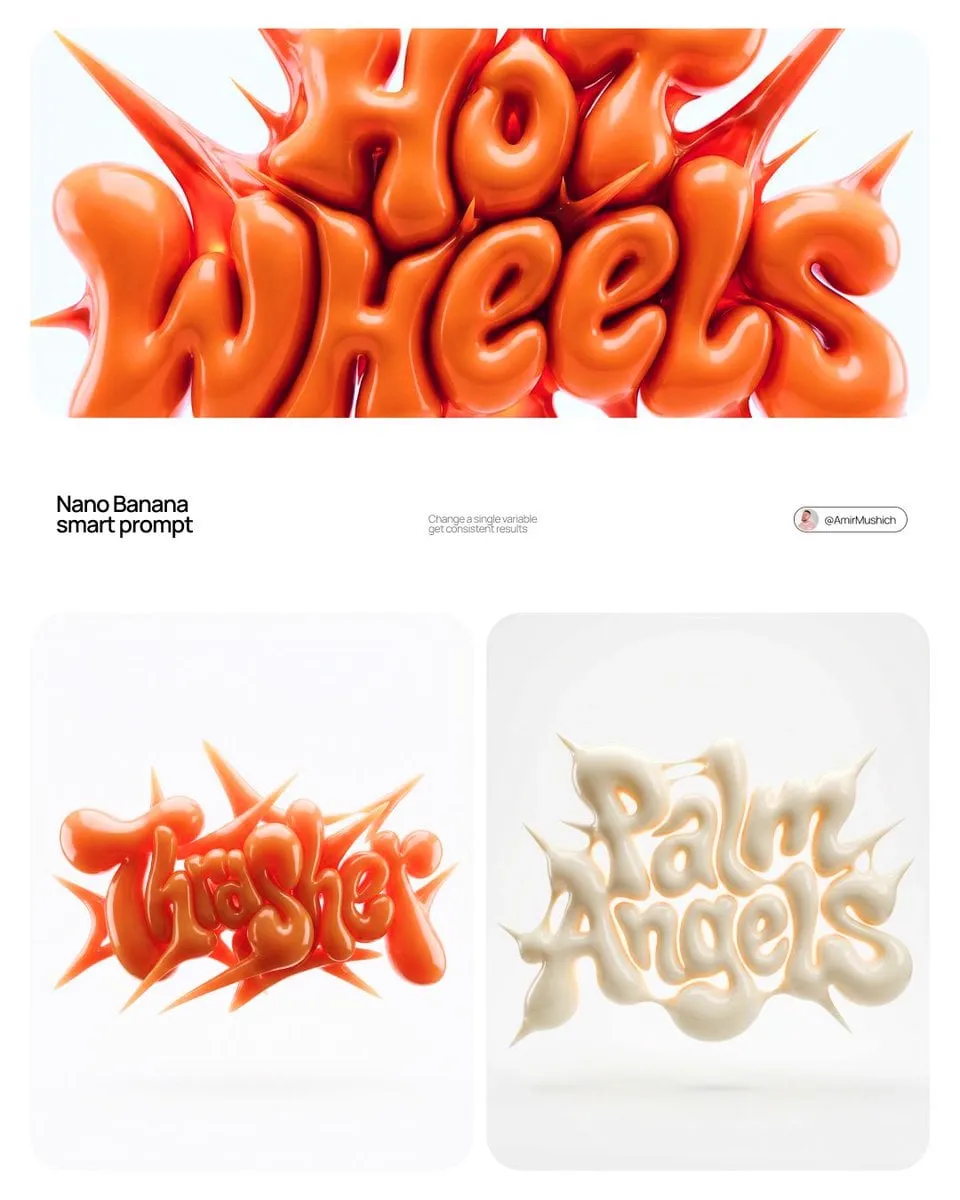
Generative AI has made video creation effortless, and that is precisely the problem. When everyone has access to the same foundation models, the results tend to converge into a recognizable sameness. The solution is not to abandon AI but to take control of its aesthetics. Style transfer and fusion techniques put that control back in your hands, letting you stamp a unique visual identity onto your work so that every frame is unmistakably yours.
Why so much AI content looks alike
The sameness you see is not accidental. Most commercial tools optimize for average results that satisfy a wide audience, which naturally pushes output toward a narrow visual band. Add to that the ease of copying popular prompts, and you get an ecosystem dominated by a handful of look-alike aesthetics.
This is often described as aesthetic model drift. A model trained to please everyone drifts toward the safest common denominator: pleasing colors, familiar composition, generic subjects. For a creator trying to build a recognizable brand, this is a ceiling. The moment your audience cannot tell your output from the next account's, you have lost your differentiation.
What style transfer actually does
Style transfer is the process of taking the visual grammar of one source, a painter's palette, a photographer's color science, a film's lighting mood, and applying it onto the content of another. In video, this means your subject and motion remain yours, but the look, texture, and mood are reshaped to match a chosen aesthetic reference.
The technique has matured enormously. Early neural style transfer produced smeared, painterly artifacts that fell apart under motion. Modern implementations respect temporal coherence, so a style holds steady across frames instead of flickering. This makes style transfer genuinely usable for polished, professional video rather than just experimental clips.
The role of reference images in defining a look
The most reliable way to claim a specific aesthetic is to feed the system a reference image that embodies it. That reference becomes the anchor for colors, lighting, texture, and atmosphere. Instead of describing a mood in words, you show it, which removes ambiguity and yields far more predictable results.
This practice is powerful for brand identity. A company that wants all its product videos to share a consistent, warm, editorial feel can lock that feel into a single reference and reuse it, guaranteeing continuity across campaigns and across the teams producing them.
Fusion: combining references for richer results
Style transfer gives you one strong look; fusion lets you combine several to build something new. You might merge the character design from one image with the lighting and color grading from another, then layer in a distinctive texture. The result is a look no single source could produce.
Fusion is especially valuable for subject consistency. By fusing multiple views of a character, you create a stable identity that survives across scenes and shots. This is the difference between a protagonist who changes from frame to frame and one the audience can follow and care about.
Character persistence through multi-image fusion
Serialized content, a web series, a brand campaign, or a recurring character, lives or dies by visual consistency. Multi-image fusion solves this by feeding several references of the same subject so the model locks onto a coherent identity. Eyes, build, wardrobe, and mannerisms stay stable from one clip to the next, which is precisely what makes an ongoing narrative believable.
Bringing technical control to the process
Creators now have access to parameters that were once the domain of specialists. Keyframes let you define the composition at the start and end of a shot and let the system interpolate believable motion between them. Camera directives give you deliberate control over pans, zooms, and angles rather than leaving them to chance.
This control changes the creative math. Instead of generating dozens of random variations and hoping one is usable, you can direct the output with intent. You decide exactly what the audience sees, when they see it, and how it feels. That is the difference between using AI as a slot machine and using it as an instrument.
Temporal coherence as the non-negotiable
The defining challenge of style in motion is keeping the aesthetic stable over time. A style that holds in a still but falls apart in a sequence is useless for narrative work. Modern engines address this with techniques that enforce consistency across frames, so colors, textures, and lighting do not shift unpredictably as the camera moves.
When evaluating tools, test for this explicitly. Generate a clip with deliberate camera movement and watch the background and subject treatment. If the style holds steady, you can trust the tool for real projects.
A practical workflow for a signature look
Developing a distinctive visual identity is not about a single lucky result. It is a repeatable process you refine over time.
Start by gathering references that represent the mood you want: stills, films, photographs, or artwork that carry the right energy. Select one or two as the core identity anchors and treat them as fixed assets. Next, build your character or subject from multiple fused references to lock its appearance. Then generate a low-cost test to verify the style reads well in motion before you commit to full production. After that, produce the sequence with keyframe and camera control, reviewing section by section. Finally, apply finishing touches and archive your style bundle, the references and settings combined, so every future project can start from a proven identity.
Common pitfalls and how to avoid them
Several mistakes turn an attempt at uniqueness into wasted effort. Overloading a prompt with competing styles dilutes the result, so move most of the aesthetic into a single strong reference. Ignoring temporal coherence leads to flickering that breaks immersion, so always validate in motion. Copying someone else's exact prompt reproduces someone else's look, so use references as inspiration, not templates. And forgetting to archive your winning settings forces you to rediscover your identity each session, so save your style bundle the moment it works.
When to invest in custom routes
For teams with serious brand needs, the deepest differentiation comes from training custom models on their own visual corpus. A company with a decade of footage can teach a model its signature look with far more fidelity than generic style transfer. This is a larger commitment of time and compute, so it fits teams producing at scale. Most individual creators, however, reach excellent differentiation with disciplined style transfer and fusion workflows.
The decision hinges on volume. If you produce a constant stream of branded content, custom training pays off. If your output is occasional, perfecting your reference-based workflow gives you most of the benefit for a fraction of the investment.
Building a signature look across many formats
A distinctive aesthetic should not be locked to a single format. The most successful visual identities survive every context: a documentary, a social clip, a product launch, a thumbnail, a still image. The way to achieve this is to treat your aesthetic as a system of principles, not a single glossy preset, and to encode those principles so they translate across everything you publish.
Start by distilling your look into a few transferable rules: the dominant color temperature, the treatment of highlights and shadows, the texture signature, the framing habits. Document these rules alongside your reference set. When you move to a new format or platform, apply the same rules and you will find the identity transfers naturally, even as the technical setup changes completely.
The value of a consistent grading language
Think of your aesthetic as a grading language you speak in every piece. Just as a cinematographer keeps a consistent palette across an entire filmography, you keep your grading language consistent across all your content. This is what turns a scattered collection of AI clips into the work of one recognizable artist. The audience may not know exactly why your videos feel like yours; they simply learn that a certain look and feel reliably appears under your name.
Balancing automation with deliberate craft
It is tempting to automate the entire pipeline and let the style transfer engine run unattended. But the best results come from a balance. Let the machinery handle the heavy lifting, the consistent application of style and the reliable fusion of references, while you reserve the deliberate craft for the decisions that define the piece: which references carry the mood, where to push the style further, when a break from the house style is intentional.
Think of the tool as a very capable assistant whose taste is yours to direct. The same engine that produces lifeless output when pointed wrongly can produce something distinctly you when its choices are guided by a clear intention. Automation multiplies your output; deliberate direction shapes its quality.
Frequently asked questions
Do I need to be an artist to use style transfer?
No. You need good taste in choosing references, not the ability to create them. The technique does the rest, translating your chosen aesthetic onto your content reliably.
Can I use copyrighted art as a style reference?
As a source of inspiration and mood, yes, but be cautious about reproducing a specific protected style at commercial scale. Many teams find it safest to build references from commissioned, licensed, or original work.
Why does my style look different in every clip?
Likely because you are not anchoring generation to a stable reference. Keep your core identity references fixed and reuse them consistently, and your output will converge on a reliable look.
Generic AI is the default; uniqueness is a choice. Style transfer and fusion let you make that choice deliberately. Anchor your identity in references, validate in motion, and archive what works. Over time, you build a signature look that audiences recognize instantly, and that recognition is the very thing generic tools can never give you.
