
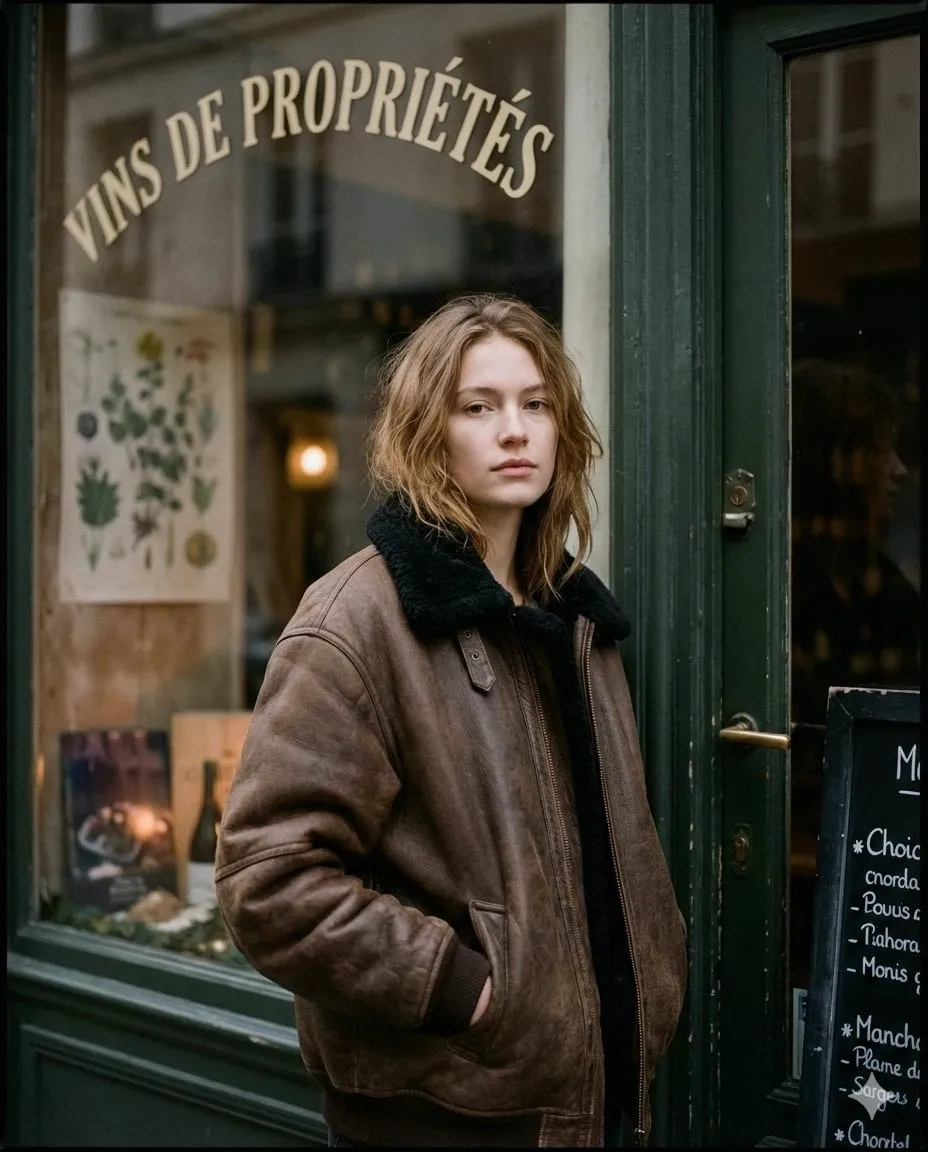
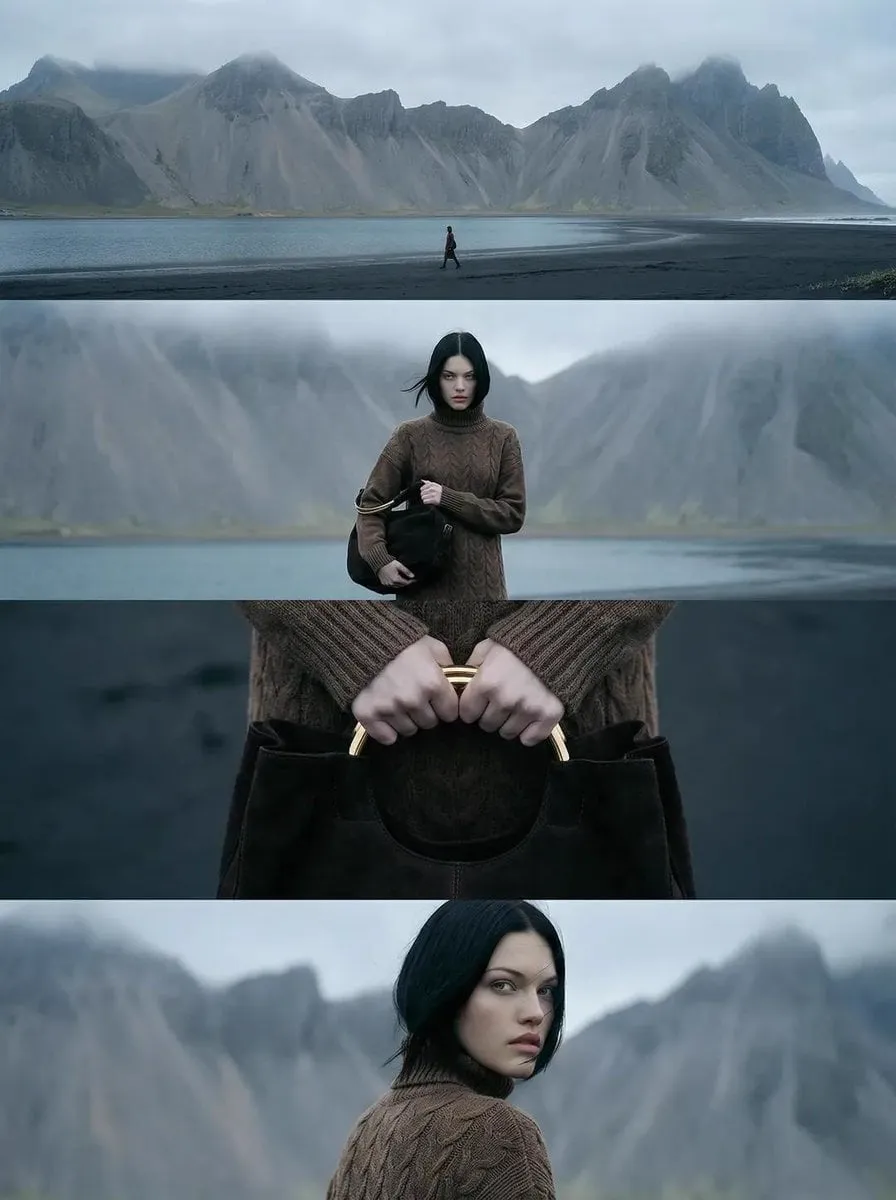
Text-to-video technology has reached the point where a single person can produce a complete short film without a camera, a crew, or a studio. You type a description, the model generates the footage, and you assemble the shots into a finished piece. The technology is genuinely remarkable, but it is not magic: the quality of the final film depends on how well you plan, prompt, and review.
This guide covers the full production path for AI short films, from choosing the right model and breaking a script into scenes to keeping characters consistent and finishing the edit with sound. The workflow is designed to be practical, so you can apply it to your first project immediately.
The New Production Reality
For most of film history, production was gated by equipment and skill. Cameras were expensive, lighting was technical, and editing required specialized training. AI has collapsed that barrier. The bottleneck is no longer access; it is the ability to describe what you want clearly enough that the machine can build it.
That shift changes who can make films. Independent creators, small brands, educators, and storytellers can now produce visual narratives at a fraction of the traditional cost. The market for AI-generated video is growing quickly, and the creators who will benefit most are not necessarily the most technical, but those who understand story structure and visual language well enough to direct the tools.
What You Need Before You Start
The technical requirements are minimal: a computer, an internet connection, and accounts with the tools you plan to use. The creative requirements matter more. Before generating anything, you should be able to answer three questions. What is the story, in one sentence? Who is the audience? What should they feel at the end?
Preparation also means organizing your project. Create a folder for your script and prompts, a folder for reference images, and a folder for generated shots. Name files by scene and shot number. This sounds like overhead, but with dozens of generated clips, a naming system is what keeps the project sane. The creators who fail at AI filmmaking usually fail here, in organization, not in prompting.
Choosing the Right Model for the Job
Not all text-to-video models are equal, and the differences matter more for film production than for casual clips. A short film needs narrative continuity, consistent characters, and controlled camera language, so prioritize models that handle prompt adherence and character consistency well.
For a typical short film, work in tiers. Use a fast, affordable model for iteration and for testing compositions. Reserve a premium model for the hero shots: the opening, the emotional climax, and any scene where the audience looks closely. This split keeps the budget under control without sacrificing the moments that define the film. Whatever you choose, test your actual prompt on the actual model before committing to a full production run.
Breaking a Script into Scenes and Shots
The single biggest mistake in AI filmmaking is writing a long script and then asking the model to "make a video of this." The model cannot hold a multi-scene narrative in one generation. It can produce one shot at a time, and only if that shot is described clearly.
So the discipline is decomposition. Write your script, then break it into scenes, then break each scene into shots. For each shot, write a short production note: who is in the frame, what they do, how the camera moves, what the light and palette are. A three-minute film might be fifteen to thirty shots; each shot is one generation or a small batch of generations. This is the same work a live-action director does with a storyboard, and it is non-negotiable for AI production.
Writing Prompts That Direct, Not Just Describe
A good video prompt is a director's instruction, not a caption. It tells the model what the viewer should see, how the camera behaves, and what mood the scene carries. Use the production note you wrote in the breakdown phase and expand it into a full instruction.
Structure every prompt with the same elements: the subject and its appearance, the action in temporal order, the camera movement with direction and speed, the lighting and color palette, the framing and aspect ratio, and any exclusions. For example: "A young woman in a yellow raincoat walks through a narrow alley at night, neon signs reflecting on wet pavement, camera tracks beside her at walking pace, close medium shot, cool blue tones with warm neon accents, vertical 9:16, no text." Every clause either defines content or constrains interpretation, and the model has no room to improvise the emotional core.
Keeping Visual Identity Consistent
Consistency is the difference between a film and a collection of clips. The audience will accept stylization, but they will not accept a protagonist whose face changes every scene. Consistency comes from three practices used together.
First, a canonical character sheet: a fixed description of the character covering face, hair, body, clothing, and distinguishing marks, reused verbatim in every prompt. Second, reference images: generate a hero image of the character once, approve it, and attach it as a reference for every generation involving that character. Third, locked environmental details: describe locations with fixed architecture, colors, and lighting so scenes read as the same place. Review shots together rather than separately, and rerun any shot that breaks the chain instead of hoping it will not matter.
Assembling, Editing, and Sound
Once the shots are generated, the film comes together in the edit. Assemble the shots in script order first, without music or effects, and watch the whole thing for continuity. This is where most structural problems become visible: a missing transition, a repeated action, a pace that drags.
Sound is not decoration; it is half of the emotional experience. Add music that follows the film's arc, and use sound effects for the actions on screen. AI tools can generate voiceover and music from text, so even a solo creator can produce a fully scored film. Finally, add subtitles or captions if the film will be watched on mobile, where most viewers watch without sound, and export in the format each platform expects.
A Complete Production Run: One Scene Example
To show the method, here is a complete run for a single scene. The scene: a character discovers a letter that changes their plans.
Start with the production notes. Shot one, a wide shot of a kitchen in early morning, the character at the table. Shot two, a close-up of the envelope being opened, camera slowly pushing in. Shot three, a medium shot of the character reading, face shifting from confusion to resolve, warm window light.
Build the character sheet and generate the hero image first. Approve it, then generate each shot with the sheet attached as reference and the palette described identically: warm morning light, soft shadows, muted green and cream tones. Review the three shots together. If the character's jacket changed color between shots, fix the description and rerun only that shot. When the three shots read as one continuous moment, the scene works. Scale the same pattern across the whole film and you have a production method, not a lucky accident.
Common Pitfalls and How to Fix Them
Even with a solid workflow, certain failures repeat. The most common is prompt drift: you start with a perfect character sheet, and by shot ten the description has subtly changed. Fix it by keeping the canonical sheet in a separate file and copying it, never retyping it. The second is reviewing shots in isolation; a shot that looks fine alone often breaks the scene's lighting or palette. Always compare a new shot against the previous one and the hero frame.
The third pitfall is over-generating. Producing fifty clips and hoping to assemble something works badly, because the shots were never designed to fit together. Generate deliberately, one shot at a time, and only move forward when the shot passes review. The fourth is neglecting sound until the end; a film assembled without audio then scored at the last minute usually needs re-cutting. Plan the sound from the start, even if you add the actual files late.
A Reusable Prompt Template
To keep every shot on the same visual system, use a fixed prompt template with slots. The template looks like this: "Subject: [fixed character sheet]. Action: [what happens, in order]. Camera: [shot size, angle, movement, speed]. Light and palette: [fixed scene lighting, fixed colors]. Framing: [aspect ratio, key composition]. Exclude: [common failure items]."
Fill the fixed slots from your project standards and change only the action and camera slots per shot. This template does more than save typing; it prevents the drift that ruins consistency. When a shot fails, the template also tells you which slot to fix, because the failure usually maps to a single slot rather than to the whole prompt.
When to Iterate and When to Move On
Knowing when to stop iterating is part of the craft. A useful rule: make at most three attempts on a shot with the same approach. If all three fail, the problem is likely the approach, not the execution, so change something structural: a simpler scene, a different model, a new reference. Endless iteration on the same prompt is a common time sink.
Conversely, do not settle for the first pass on your hero shots. The opening and the emotional climax define the film's quality in the audience's memory; they deserve the extra attempts. Spend your iteration budget where the audience looks hardest, and accept "good enough" earlier on filler transitions and establishing details.
Frequently Asked Questions
How long does it take to make a short AI film? A one to three minute film, with a clear plan and an organized workflow, is a realistic weekend project. First projects take longer because you are also building your character sheet and prompt system.
Do I need to learn video editing? A basic understanding is necessary: cutting, ordering clips, adding music, and exporting. Most editing tools have simplified interfaces, and AI can assist with subtitles and sound, but the assembly itself is a human skill.
Why does my film feel disconnected even though each shot is good? Individual quality does not create continuity. Compare shots side by side for character, palette, and lighting. If a shot is beautiful but breaks the visual rules of the film, replace it.
Can AI handle dialogue and voice? Yes. Text-to-speech and AI voice tools can generate character voices, and AI music tools can compose a score. For dialogue-heavy films, record or generate the voice first, then time the shots to the audio.
What is the ideal shot count for a short film? There is no fixed number, but as a guide, a one-minute film can work with eight to fifteen shots. More shots mean faster pacing; fewer shots mean a more contemplative rhythm. Match the count to the story, not to a formula.
How do I avoid generic-looking footage? The generic look comes from generic prompts. Push the specifics: unusual angles, deliberate light, a defined palette, and a clear emotional beat. A film made of specific decisions never looks generic.
Your First Project Checklist
When you start your first AI short film, keep this checklist nearby. One-sentence story and target audience defined. Script broken into scenes and shots with production notes. Character sheet written and hero image approved. Palette and lighting rules written down. One model chosen for iteration and one for hero shots. Prompt template containing subject, action, camera, light, framing, and exclusions. Shot review process comparing clips side by side. Sound plan including music, effects, and voice. Export format matched to the platform. A prompt and outcome log to improve the next project.
The technology is the easy part. The discipline of planning, the clarity of your prompts, and the patience of reviewing each shot against the whole are what turn AI-generated clips into a film worth watching.
