

For years, local businesses treated professional video as a luxury they could not afford. Big brands had agencies, production crews, and budgets. A neighborhood shop, a law firm, or a small creative studio was expected to make do with phone camera clips and stock footage. That gap has now narrowed dramatically. Generative AI has lowered the barrier to premium video, and local businesses that embrace it are creating marketing content that stands beside much larger competitors. This article is a strategy guide using case studies, showing how small teams can turn AI video into a real advantage.
Why video now decides local marketing outcomes
Digital marketing in the past decade has been dominated by moving image. Platforms reward video, and audiences engage with it more than with text or static pictures. For a local business, ignoring video means giving up serious reach. A service business, a retailer, or a consultant cannot afford to be invisible in the feed where their neighbors and customers spend their time.
The catch has always been production. Professional video needs cameras, lighting, editing, and people who know how to use them. For many local teams, that cost made video inconsistent or rare. AI changes the equation by removing the expensive parts of production while keeping the creative decisions in the hands of the business.
Case study one: local retail and hyper-personal product videos
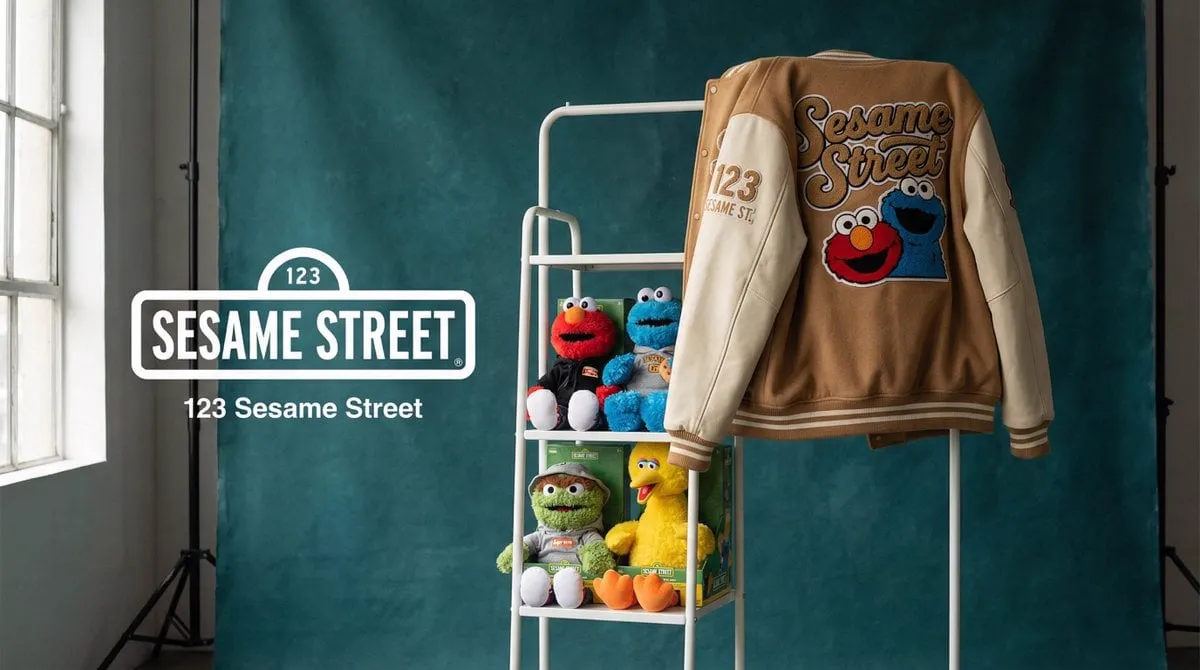
A small fashion retailer with a few physical locations wanted content that felt premium without hiring a crew. Their challenge was volume: dozens of products, each needing a video that showed material, fit, and style. Filming everything professionally would have been impossible.
What they did
The team adopted a workflow centered on clear prompts and a consistent visual style. For each product, they defined its identity, the colors, textures, and finish, and generated short clips in a uniform, high-end presentation. Footage was reusable across web, social, and in-store digital displays.
The result
They produced product videos for their entire catalog in a fraction of the usual cost and time. Because the style stayed consistent, the feed looked coherent and professional, which built trust and increased engagement with every product post. The business gained a full video catalog it could not have financed before.
Case study two: professional services and realistic explainers
A small consultancy struggled with a different problem: their offering was abstract, and explaining it with video required real people, scripts, and shoots. Their budgets rarely allowed it, so they relied on text and calls.
What they did
They turned to AI for realistic explainer videos. By defining a clear narrative and coupling it with a consistent presenter and visual references, they produced short videos that explained their services clearly and confidently. Each explainer addressed one client question, walked through the answer, and ended with a clear next step.
The result
The consulting team started publishing consistent, realistic explanatory content without a production cycle. Prospective clients got to see and hear the offering explained before ever picking up the phone. The videos built credibility, shortened initial sales conversations, and let the small team look larger and more polished than its size.
Case study three: creative studios and fast visual prototyping
A small creative studio that serves global clients found that getting clients to approve a vision was slow. Static moodboards did not always convey motion, and building full pitches was expensive.
What they did
The studio used AI video to prototype ideas quickly. When a client described an appetite for a certain look, the team generated short motion demonstrations capturing the intended style, timing, and camera feel. These prototypes let stakeholders react to something close to the real thing before any expensive production began.
The result
The approval process accelerated because clients could see, not just imagine, the direction. The studio pitched more convincingly, reduced rework, and won work it might otherwise have lost to competitors with flashier presentations. Visual prototyping became a genuine commercial advantage.
What these cases have in common
Three very different businesses, retail, services, and creative, all found value in the same underlying shift: AI puts the tools of premium video into reach for small teams.
Consistency beats volume
In every case, a consistent visual style did more for the brand than any single impressive clip. A coherent feed, a stable presenter, or a uniform product presentation made the business look trustworthy and professional. Consistency is the silent signal of quality.
The story still comes from the business
AI did not invent the message; the businesses did. The retailer knew its products, the consultancy knew its service, the studio knew its craft. AI executed the vision at scale. The creativity and the strategy remained human, and that is why the work stayed on-brand.
Overcoming limited resources with modern models
The biggest barrier for local businesses has always been resources: money, time, and skilled hands. Access to capable AI models removes most of that barrier.
Reducing budget pressure
Instead of hiring or renting production capacity, small teams describe what they need and generate it. The cost per clip drops dramatically, which changes what is possible. A business that could afford one video a year can now afford a steady stream.
Saving time
Days of planning and filming collapse into minutes of prompt-writing and review. The saved time can go into the strategy that actually moves the business, choosing the right message, the right audience, and the right moments to publish.
Lowering the skill floor
You do not need to be a motion designer to make a clean, professional clip. You do need to know your product and your customer, and with capable generation that knowledge is enough to produce useful marketing video.
Using creative direction to guide AI
To get professional results, you do not just type and accept. You direct.
Write a clear brief
Before generating, define the mood, the message, and the audience. A sentence like 'warm, trustworthy explainer for homeowners about why our service is straightforward' gives the tool a far better starting point than a vague request.
Review and refine
Generate options, compare them, and improve the brief based on what works. The first output is a starting point, not a final answer. Iteration, as with any craft, is where quality comes from.
Keep your brand personality throughout
Whatever the tool produces, it should look and feel like your business. Hold the visual identity, the tone, and the values constant from clip to clip. That consistency is what makes AI-generated marketing feel like branding rather than random content.
Choosing models for niche local markets
Different local businesses have different needs, and matching the tool to the job pays off.
Standard content for everyday needs
For routine social posts, explainers, and announcements, a capable all-around model suffices. Consistency and speed matter more than extreme realism.
Specialized or high-end needs
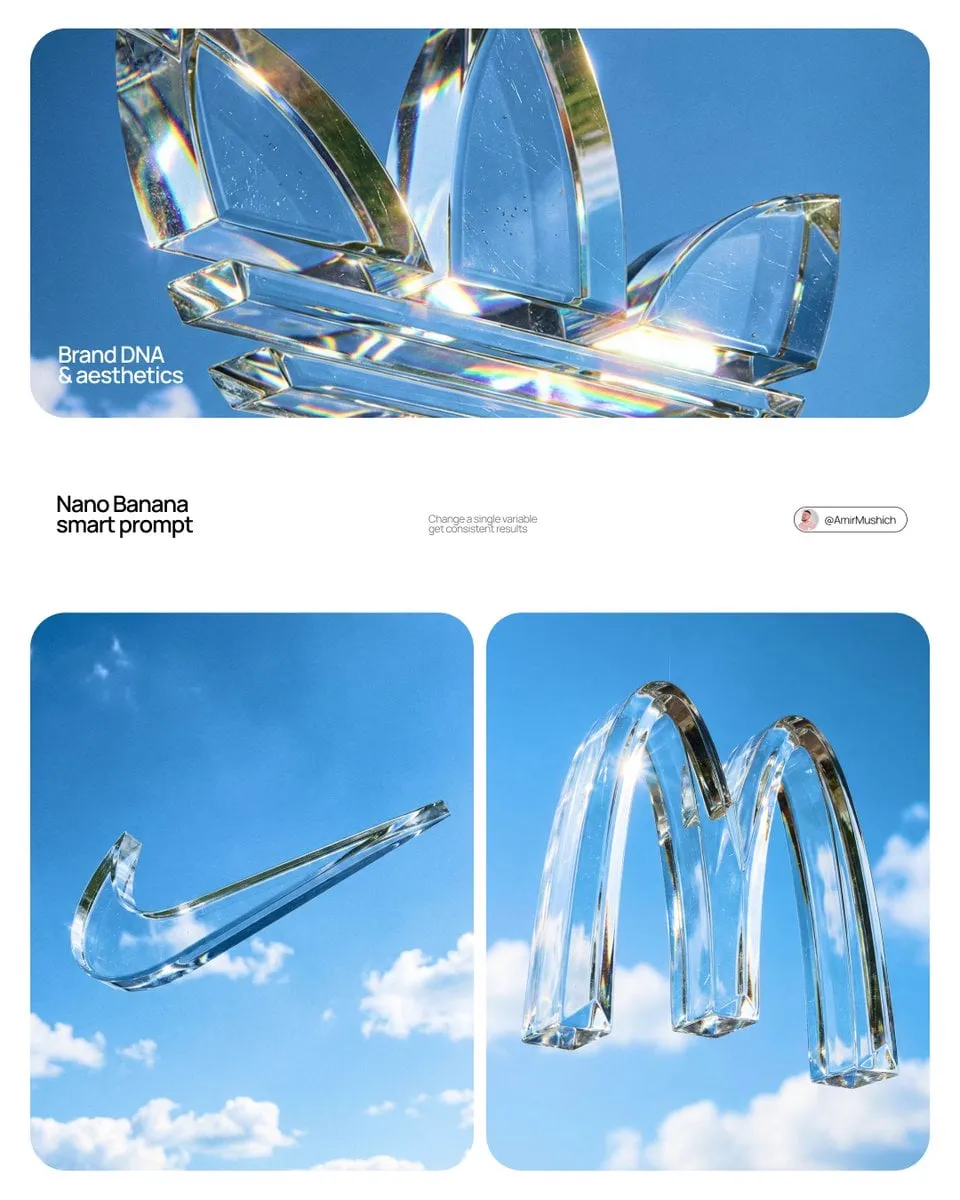
For premium product shots, photorealistic scenes, or distinctive stylized looks, use a model tuned for that strength. A luxury look needs high fidelity; a bold brand refresh may want a striking, unconventional style. Choose the engine for the effect you want.
Building a repeatable marketing engine
The real payoff for local businesses is a production process they can run again and again, not one hero video.
Turn work into templates
Once you find prompts and styles that work, keep them as your playbook. A retailer's product template, a service business's explainer structure, a studio's pitch format; these reusable recipes make the next video faster and cheaper.
Plan a steady cadence
Fewer businesses fail from posting too little consistent, useful content than from inconsistent bursts. A steady rhythm of AI-generated video, tied to real business goals, compounds reach and trust over time.
Measure and adjust
Watch what works. Which topics, formats, and times earn the most attention and action? Feed those observations back into your templates and briefs. A small business that measures and adjusts its video engine quickly out-learns one that posts by guesswork.
Frequently asked questions
Do I need a big audience to benefit from AI video?
No. AI video helps you serve the audience you have, better and more often. Consistency builds trust regardless of size, and steady, useful content grows an audience over time.
Will AI video make my business look generic?
Only if you let it. If you hold your brand identity, your tone, and your values constant and direct the tool with a clear brief, the output reflects your business, not a generic template.
Is this affordable for a very small team?
Yes. The whole point of the shift is cost reduction. By removing the expensive parts of production, AI lets small teams produce more for less, which is precisely the advantage local businesses need.
Should I replace my existing marketing team with AI?
No. Think of AI as an amplifier, not a replacement. Your team still sets the strategy, writes the message, and makes the creative calls. AI executes faster and cheaper, freeing the team to focus on what only people can do.
Final thoughts
Generative AI has made premium video far more accessible to local businesses. The cases here, a retailer, a consultancy, and a creative studio, show that the advantage comes not from the tool alone but from directing it well: defining a consistent identity, writing a clear brief, choosing the right model, and building a repeatable process.
Start small, pick one format that matters to your business, make it consistent, and improve it over time. That disciplined approach is what turns accessible AI video into genuine, durable marketing advantage, no production budget required.
Building a simple video content plan
A steady stream of useful video starts with a plan, not with inspiration. Choose a handful of recurring formats that fit how you sell and support your customers, and commit to producing them regularly.
For most local businesses, three or four formats are enough to start. A short product or service explainer that answers the most common customer question, a behind-the-scenes look that builds trust in your craft, a customer-result or testimonial-style clip that shows the value you deliver, and a simple announcement format for launches and news. Assign each format a clear purpose so you always know what you are trying to achieve, whether it is explaining, building trust, showcasing results, or driving a call to action.
Set a rhythm you can actually sustain, such as one video per week, rather than an ambitious burst you cannot maintain. Consistency over time builds the library and the audience far more than sporadic effort. As your library grows, you can also reuse and repurpose: an explainer becomes a social clip, a customer story becomes a web testimonial, a behind-the-scenes shot becomes newsletter content. Each piece of video content multiplies across channels, extending the return on every hour you invest.
Launching a local video initiative in one week
If you are unsure where to begin, a one-week pilot removes the pressure and shows quickly what works. Spend the first day defining your formats and your customer's core questions. Day two, write the briefs and pick one visual style, a consistent look and tone that will unify everything. Days three and four, generate a handful of clips, one per format, and review them against your briefs. On day five, publish your first few pieces and start tracking which format earns the most attention and action.
At the end of the week, look honestly at the results. Which topics connected, which style resonated, and which format your audience actually used. Feed those observations into next week's plan. Even a modest pilot tells you more than months of speculation, and the habit of measuring and adjusting is exactly what turns a pilot into a genuine, durable engine for marketing video.
Keep the pilot grounded in realistic goals: a handful of published pieces, a small set of observations, and one or two clear lessons you can act on. That focused scope keeps momentum high and makes the next week easy to plan. Before long the pilot stops feeling like a test and becomes your normal, repeatable way of producing video that serves your business every single week.
